••
President Mahama Urged to Tackle Port Congestion as NTFC Launches New Inclusive Trade Initiatives
•2 min read•9 sources
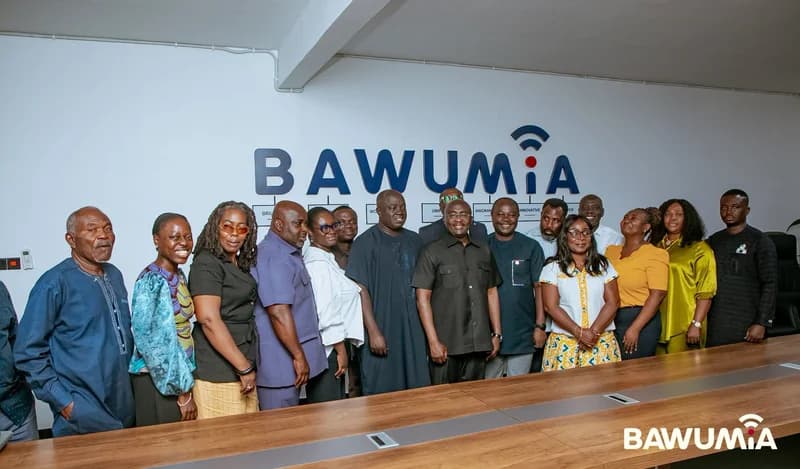
Ghana's trade sector is facing a critical juncture as business leaders call for immediate presidential intervention to address systemic bottlenecks at the nation’s ports. The Importers and Exporters Association of Ghana (IEAG) has formally urged President John Mahama to lead a high-level delegation, including regulatory heads and ministers, to resolve worsening congestion. Executive Secretary Samson Asaki Awingobit warned that excessive physical container examinations and delays are threatening to drive importers toward neighboring regional ports, risking significant economic losses for Ghana. These operational concerns were echoed during a separate engagement between the New Patriotic Party (NPP) flagbearer, Dr. Mahamudu Bawumia, and the Trade Advocacy Group (TAGG), where traders highlighted high import duties, demurrage costs, and limited access to credit as major hurdles to business growth.
In response to long-term structural needs, the National Trade Facilitation Committee (NTFC) inaugurated a 15-member Trade and Gender Sub-Committee on September 16, 2026. Chaired by Mrs. Monica Josiah, the sub-committee is tasked with promoting gender-responsive trade policies that specifically address the needs of women, youth, and persons with disabilities. This initiative is part of a broader effort to enhance Ghana's competitiveness within the region. During the NTFC’s second meeting of the year in Accra, officials also reviewed progress on new Standard Operating Procedures (SOPs) for perishable goods and discussed the implementation of the Customs Time Release Study, which aims to identify and eliminate specific causes of cargo delays.
Supporting these reforms, Mr. Ebo Quaison, representing the Ministry of Trade, emphasized Ghana’s leadership role as a champion for reducing non-tariff barriers in West Africa. The trade facilitation agenda has received a significant boost from TradeMark Africa, which has committed resources to support NTFC’s priorities for the 2026/2027 financial year. These priorities include practical reforms designed to streamline customs practices and improve the overall ease of doing business. By combining high-level administrative intervention with inclusive institutional policy, stakeholders hope to stabilize the trading environment and maintain Ghana’s status as a primary regional trade hub.
Related topic
NPP (New Patriotic Party): Latest News →

