••
President Mahama Swears in Three Supreme Court Justices Amid High-Profile Legal and Governance Developments
•3 min read•25 sources
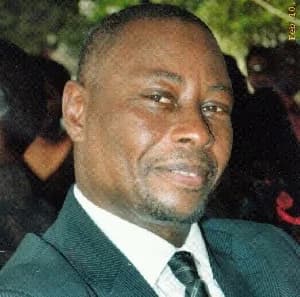
President John Mahama has officially sworn in three new Justices to the Supreme Court: Justice Sophia Rosetta Bernasko-Essah, Justice Edward Amoako Asante, and Justice Anthony Forson Jnr. During the ceremony held at the Jubilee House in September 2026, President Mahama urged the newly appointed justices to let the Constitution be their "compass" in every ruling. He emphasized that judicial independence and impartiality are vital for maintaining public confidence, particularly when facing political or social pressure. Speaking on behalf of the group, Justice Bernasko-Essah pledged that the bench would interpret the law without personal bias, acknowledging the sacred public trust placed in the judiciary. The appointments bring a blend of experience from the Court of Appeal, regional legal systems, and private practice to the nation's highest court.
While the judiciary expands, several high-profile legal battles continue to test the state’s financial and legal systems. The Republic has concluded its case against Kwabena Adu-Boahene, the former Director-General of the National Signals Bureau, who is accused of money laundering and causing a GH₵49.1 million financial loss to the state. Meanwhile, Samuel Atta Akyea, counsel for Adu-Boahene, has dismissed reports of his withdrawal from the case as "vile propaganda," asserting that his team is preparing a robust defense ahead of the September 25 submission deadline. In a separate matter, Kow Abaka Essuman, former Legal Counsel to former President Akufo-Addo, has threatened to sue the Ministry of Finance if his outstanding salary arrears and terminal benefits are not settled by September 11, 2026, citing discriminatory delays.
The national discourse on integrity was further highlighted by the rare act of businessman Henry Manly-Spain, who rejected a GH₵79.7 million court-ordered tax refund, claiming the actual amount owed to him was closer to GH₵10 million. Manly-Spain has petitioned the Ghana Revenue Authority (GRA) to investigate the inflated award, emphasizing ethical responsibility during a time of national economic challenge. Conversely, the GRA is facing its own scrutiny after initiating a tax audit into the firm of lawyer Jonathan A. Alua shortly after he filed a Supreme Court challenge against the Commissioner-General’s power to waive taxes without parliamentary approval. While the GRA maintains the audit is routine, the timing has raised constitutional questions regarding administrative overreach.
These developments occur as the Mahama administration faces calls from civic leaders like Dr. Kofi Amoah to implement a systemic "reset" of Ghana’s corruption culture. Dr. Amoah has urged the government to prioritize the creation of independent anti-corruption institutions and to ensure state-owned enterprises operate with transparency. As the judicial and legal landscape shifts, the inauguration of a new 10-member Governing Board for the Alternative Dispute Resolution (ADR) Centre, chaired by Kwesi Austin, marks a strategic effort to decentralize justice and alleviate the workload on the traditional court system. Collectively, these events underscore a period of significant institutional transition and legal accountability under the current administration.
Related topic
Ghana Customs Recruitment: Latest News & Updates →

