••
Traditional Leaders and Women Groups Urged to Lead Sanitation Drive Under President Mahama's Performance Directive
•2 min read•2 sources
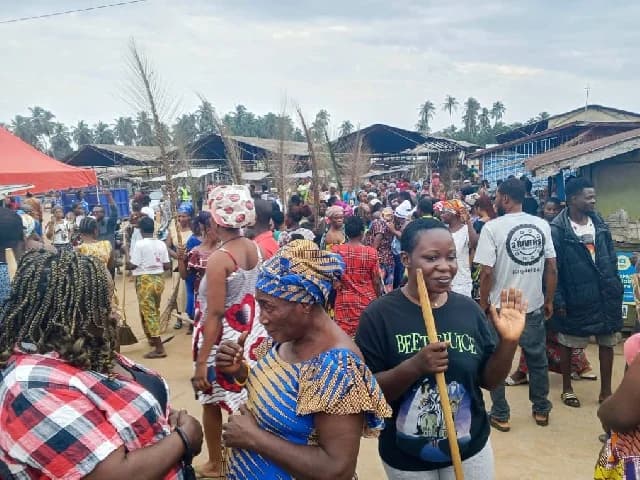
Ghana is intensifying its efforts to address public health challenges related to sanitation, with a specific focus on ending open defecation and improving community hygiene across all districts. Central to this renewed drive is a directive from President John Mahama, who has designated sanitation as a key performance indicator (KPI) for evaluating municipal and district performance. This policy shift is mobilizing diverse stakeholders—from traditional authorities to local household leaders—to take active roles in transforming the country's environmental landscape and reducing health risks associated with poor waste management.
In the Agortime-Ziope District, Environmental Health Director Millicent Mensah has underscored the pivotal role of women in maintaining community cleanliness. During a recent clean-up exercise, Mensah emphasized that women, as primary managers of household hygiene, must take the lead in educating their families against indiscriminate waste dumping and open defecation. This local initiative, supported by District Chief Executive Alfred Klu-Odikro and Assemblyman Seth Dorvlo, highlights the importance of grassroots participation in government-led sanitation programs. Participants in the exercise expressed a strong commitment to upholding environmental standards as a means of improving overall public health within the district.
Complementing these local efforts, traditional leaders are being called upon to champion the national campaign against open defecation through community mobilization. Naa Dr. Saaka Mwinimaana II, the Chief of Maase, recently urged fellow traditional authorities to lead by example and advocate for better infrastructure. Speaking at an event organized by the Media Coalition Against Open Defecation (M-CODe), Dr. Mwinimaana II highlighted the critical need for every household to possess at least a basic latrine. He advocated for strengthened partnerships between the government and traditional institutions, noting that chiefs possess the unique influence necessary to drive behavioral changes that can significantly reduce the prevalence of waterborne diseases.
These synchronized efforts reflect a broader national strategy to hold local government authorities accountable while empowering community influencers. By integrating sanitation performance into the assessment of district leadership, the Mahama administration aims to accelerate progress toward a cleaner Ghana. The success of this initiative relies on the sustained collaboration between the state, traditional rulers, and the citizenry to ensure that sanitation remains a priority at both the policy and household levels, ultimately securing a healthier future for all Ghanaians.
This story touches markets covered on Anansi Intelligence ↗.
Related topic
John Mahama: Latest News & Updates →More from health
Continue exploring similar stories


