••
Mahama Orders Nationwide Flood Assessment Amid Political Backlash and Growing Sanitation Crisis
•3 min read•16 sources
President John Dramani Mahama has directed the National Disaster Management Organisation (NADMO) and relevant state agencies to conduct a comprehensive nationwide assessment of flood risks, with a primary focus on the capital, Accra. Following a series of devastating rains, the President's directive aims to identify flood-prone areas and map out restricted waterways and protected lands currently facing human encroachment. Mahama emphasized that the results of this assessment will guide both immediate and long-term interventions, including potential demolitions of unauthorized structures. He stressed that while such actions might face public dissent, they are necessary for ensuring long-term urban resilience and public safety.
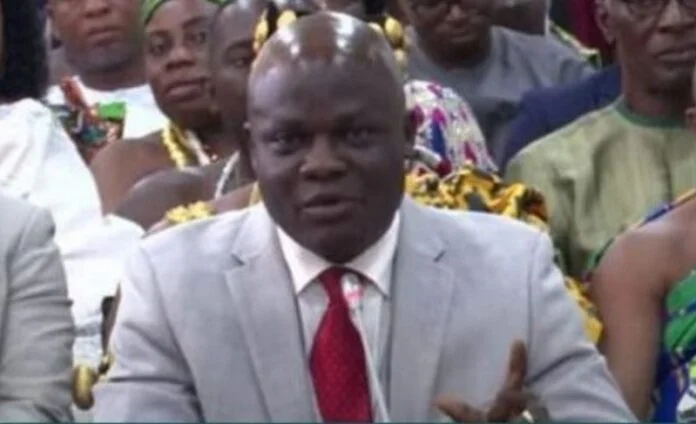
However, the directive has met with sharp criticism from former Greater Accra Regional Minister Titus Glover, who described the call for a new report as a "waste of energy and adrenaline." Glover argued that the causes of flooding in Ghana—ranging from poor drainage systems to the selling of wetlands by traditional authorities—are already well-documented. He contended that the government should focus on the immediate allocation of resources and the enforcement of existing laws rather than commissioning further assessments. This sentiment was echoed by other political voices, such as the NDC’s General Amin, who redirected the focus of urban planning critiques toward infrastructure projects like the Tamale Interchange, which he labeled an unnecessary expenditure of public funds.
Simultaneously, the Minister for Local Government, Ahmed Ibrahim, has raised alarms over a looming sanitation crisis that exacerbates the flooding problem. Speaking at a high-level stakeholder dialogue, Ibrahim revealed that the Greater Accra area generates approximately 4,400 tonnes of waste daily, a figure projected to rise significantly by 2036. He advocated for a shift from landfill-based disposal to engineered waste treatment systems and urged the Ministry of Finance to establish dedicated funding for modern waste infrastructure. To bolster these efforts, the Minister has directed Metropolitan, Municipal, and District Chief Executives (MMDCEs) to better equip environmental health officers to perform frontline inspections and community engagement.
Beyond domestic infrastructure, the government is also facing calls to strengthen national security in the face of "criminal tourism." Comparisons have been drawn between Canada’s "Project Jetsetter," which proactively targets organized crime networks, and Ghana’s perceived leniency toward foreign nationals exploiting legal loopholes. Critics argue that a more coordinated approach to border control and intelligence is essential to protect citizens and maintain Ghana's reputation. As the country grapples with these intersecting challenges of environmental management, infrastructure spending, and public safety, the focus remains on whether the government will move beyond planning to decisive, proactive enforcement.
This story touches markets covered on Anansi Intelligence ↗.
Related topic
NDC (National Democratic Congress): Latest News →More from politics
Continue exploring similar stories


