Ghana News AI
HomeBriefsAsk GhanaTopicsTools
•
•

Stay Informed

Get AI-curated news briefs from Ghana delivered to your inbox every morning. Free forever, no spam.

Explore

  • Home
  • Briefs
  • About

Categories

  • Politics
  • Business
  • Sports
  • Entertainment
  • Africa

Features

  • Analysis
  • Cedi Rates
  • Dollar to Cedi
  • Ghana Gold Price
  • BoG Policy Rate

Topics

  • Armed Forces Recruitment
  • WAEC Results & News
  • Nana Ama McBrown
  • NDC News
  • All Topics

Legal

  • Privacy Policy
  • Terms of Service
Ghana News AI© 2026. All rights reserved.
Made withfor Ghana
africa

President Mahama Strengthens Ghana's Global Footprint through Jamaica State Visit and Strategic Partnerships with Morocco and the EU

6th August•3 min read•3 sources
President Mahama Strengthens Ghana's Global Footprint through Jamaica State Visit and Strategic Partnerships with Morocco and the EU
  1. Home
  2. /Africa
  3. /President Mahama Strengthens Ghana's Global Footprint through Jamaica State Visit and Strategic Partnerships with Morocco and the EU

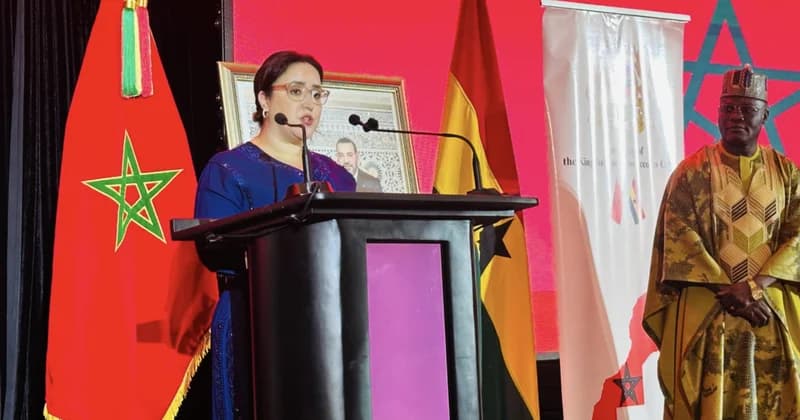
President John Dramani Mahama has spearheaded a series of high-level diplomatic and strategic engagements aimed at strengthening Ghana's international standing and fostering Pan-African solidarity. A central highlight of these efforts is the President's State Visit to Jamaica, where he has reaffirmed historical bonds and advocated for reparations for historical injustices. This diplomatic momentum is mirrored on the continent and at sea, as Ghana simultaneously deepens economic cooperation with Morocco and enhances its maritime security through a specialized partnership with the European Union. During his landmark visit to Jamaica, President Mahama paid a poignant tribute to National Hero Marcus Garvey and addressed the Jamaican Parliament, marking a significant moment in modern Pan-African diplomacy. The President's tour included a visit to Seville Heritage Park, where he emphasized the shared ancestry between the two nations and the importance of cultural reconnection within the African Diaspora. Beyond symbolism, the visit served as a platform to discuss enhanced cooperation in various sectors, with President Mahama underscoring Ghana’s commitment to justice and collective growth for people of African descent worldwide. Closer to home, the Second Session of the Ghana-Morocco Permanent Joint Commission for Cooperation has laid the groundwork for a new era of economic integration. Representing the Ghanaian government, Minister Ahmed Ibrahim joined Morocco’s Ambassador, Mrs. Imane Ouaadil, in Accra to celebrate the establishment of an Economic and Investment Forum. The discussions focused on expanding collaboration in agriculture and trade, punctuated by Morocco’s donation of 2,000 tonnes of fertilizer to support Ghana's farming sector. Ambassador Ouaadil praised Ghana’s pivotal role in King Mohammed VI’s vision for a prosperous, self-reliant Africa, highlighting the longstanding solidarity between the two nations. Simultaneously, the Ghana Navy has taken significant steps to secure the nation's territorial waters through the EU-funded Support to West Africa Integrated Maritime Security (SWAIMS) Programme. Under the instruction of the Portuguese Navy, Ghanaian personnel at the Naval Training Command (NAVTRAC) have undergone rigorous training to improve boat-handling and maritime response capabilities. Commodore Antonio Neves Rodrigues, General Coordinator of the EU SWAIMS Programme, emphasized that building such capacity is essential for addressing emerging threats in the Gulf of Guinea. This sentiment was echoed by NAVTRAC’s Flag Officer Commanding, Commodore James Adongo Agambire, who noted that the collaboration has substantially boosted the Navy's operational effectiveness. These diverse engagements reflect a comprehensive foreign policy strategy under the Mahama administration that balances cultural heritage, economic pragmatism, and regional security. By bridging the gap between the Caribbean diaspora, North African economic powerhouses, and international security partners like the EU, Ghana is positioning itself as a central hub for African diplomacy and development. Moving forward, the implementation of these investment forums and security protocols is expected to yield tangible benefits for Ghana's economic stability and maritime safety in the West African sub-region.

Our Take

From the Team

Coming Soon

Our team will add key insights, trends, and actionable takeaways to help you stay informed faster.

This story touches markets covered on Anansi Intelligence ↗.

Related topic

John Mahama: Latest News & Updates →

More from africa

Continue exploring similar stories

Infrastructure Developments in Ghana: ECG Schedules Ashanti Power Maintenance While Oti Residents Demand Urgent Bridge Construction
africa|Yesterday

Infrastructure Developments in Ghana: ECG Schedules Ashanti Power Maintenance While Oti Residents Demand Urgent Bridge Construction

Infrastructure and utility developments have taken center stage in Ghana this week, with significant updates emerging from the Ashanti and Oti regions. The Electricity Company of Ghana (ECG) has officially announced a series of scheduled maintenance works in the Ashanti Region designed to improve the reliability and quality of power supply. Simultaneously, stakeholders in the Oti Region are making an urgent plea for the construction of a bridge over the River Asukwakwa at Dodo-Bethel, highlighting a critical safety gap that endangers the lives of residents and schoolchildren. In the Ashanti Region, the ECG maintenance exercise is scheduled for Tuesday, August 18, and Thursday, August 20. On Tuesday, power outages are expected to last from 9:00 AM to 5:00 PM, affecting communities including Nwamase, Apire, and Hemang. The work continues on Thursday between 8:30 AM and 5:00 PM, impacting Kronom Cement, Boussie, Heman, and other surrounding areas. The utility provider has advised residents to make necessary arrangements during these windows and has expressed regret for the temporary inconvenience caused by these essential grid upgrades. While the Ashanti Region focuses on utility reliability, the Dodo-Bethel community in the Oti Region is grappling with more hazardous infrastructure deficits. During a District Child Protection Committee meeting in Kadjebi, stakeholders voiced grave concerns regarding the River Asukwakwa. The lack of a bridge has reportedly led to fatalities as residents and students attempt to cross the water, particularly during the rainy season. Mr. Gregory Aeibo Kanchebe Tonozie, the Kadjebi District Planning Officer, confirmed that a bridge project has been included in the Assembly’s 2026-2029 Medium-Term Development Plan, though community leaders are pushing for more immediate action to prevent further loss of life. These regional developments reflect the broader challenges of maintaining existing utilities while addressing urgent new infrastructure needs across Ghana. As the ECG works to modernize the electrical network in the Ashanti Region, the situation in the Oti Region underscores the necessity of prioritizing rural connectivity and public safety. Community leaders continue to call upon the government and development partners to accelerate road and bridge projects to ensure the economic well-being and physical security of all citizens in underserved districts.

Archbishop Duncan-Williams Raises Alarm Over Ghana’s Gold Black Market and Potential Revenue Losses
africa|Yesterday

Archbishop Duncan-Williams Raises Alarm Over Ghana’s Gold Black Market and Potential Revenue Losses

Archbishop Nicholas Duncan-Williams, the founder and General Overseer of Action Chapel International, has issued a stark warning regarding the prevalence of the illegal gold trade in Ghana. Speaking during a Sunday service on August 16, 2026, the prominent clergyman revealed he was "deeply disturbed" by the extent of black market activities that have systematically drained the nation’s mineral wealth. His remarks come at a time when the Ghanaian government, under the administration of President John Mahama, continues to grapple with the economic implications of illicit financial flows within the natural resources sector. The Archbishop’s concerns were catalyzed by a personal visit to a prominent Middle Eastern nation, where he and his wife were hosted as guests of members of the ruling family. During this visit, Duncan-Williams reportedly encountered information that shed light on the sophisticated and expansive nature of the gold black market. He suggested that these activities are not isolated incidents but represent a long-standing issue where significant portions of Ghana's gold output bypass official channels, potentially leading to substantial losses in national revenue over several years. While Duncan-Williams did not name specific individuals or entities involved, his public intervention highlights the growing frustration among civil and religious leaders regarding the management of Ghana's extractive industries. The illegal gold trade often involves a complex network of local actors and international intermediaries who exploit regulatory loopholes. By bringing this issue to the pulpit, the Archbishop is calling for a moral and systemic reckoning, urging the nation to address the leakages that prevent citizens from fully benefiting from their own natural resources. The implications of these revelations are significant for Ghana’s broader economic landscape and fiscal stability. As the country seeks to maximize its domestic revenue mobilization, the persistence of a thriving black market in gold remains a major hurdle to achieving sustainable development goals. The Archbishop’s comments serve as a call to action for both the government and law enforcement agencies to tighten oversight of the mining sector and ensure that the nation’s wealth is accounted for through formal, transparent channels.

SONABEL Monitors Rising Water Levels as Burkina Faso’s Bagré and Kompienga Dams Surpass 77% Capacity
africa|Yesterday

SONABEL Monitors Rising Water Levels as Burkina Faso’s Bagré and Kompienga Dams Surpass 77% Capacity

Burkina Faso's national electricity utility, SONABEL, has issued an update regarding the rising water levels at the country’s two major hydroelectric reservoirs, the Bagré and Kompienga dams. As of August 15, 2026, both facilities are operating at significantly high capacities, surpassing the 77% mark. This seasonal rise is a critical period for the region’s energy security but also necessitates close monitoring to manage the potential for controlled spillage, which can have significant implications for downstream communities. According to technical data released by SONABEL, the Kompienga Dam currently stands at a water level of 177.65 metres, representing 77.17% of its total capacity. Meanwhile, the Bagré Dam has reached 233.24 metres, or 77.35% capacity. These levels indicate a steady accumulation of water during the peak of the rainy season, ensuring a robust resource for the country’s hydroelectric power generation in the coming months. Both dams remain central to Burkina Faso's energy infrastructure and regional stability. The utility provider has identified 234.75 metres as the critical threshold for the Bagré Dam. Should the water level reach this point, SONABEL may be forced to open the spillway gates to maintain the reservoir's integrity and prevent structural damage. While the current level remains approximately 1.5 metres below the spillway threshold, the rate of inflow is being monitored around the clock to determine if a controlled release of water will be necessary in the coming days. SONABEL has reassured the public and regional stakeholders that it is committed to transparency and safety. The utility has promised to provide comprehensive public notification prior to any water releases being initiated. Such warnings are vital for agricultural and residential communities situated along the riverbanks, as the annual spillage of the Bagré Dam historically impacts northern regions in neighboring Ghana, requiring coordinated disaster management efforts to protect lives and livelihoods.

Mass Migration Crisis at Morocco-Spain Border Highlights Growing Youth Despair Despite National Economic Growth
africa|Yesterday

Mass Migration Crisis at Morocco-Spain Border Highlights Growing Youth Despair Despite National Economic Growth

Recent events at the border of the Spanish enclave of Ceuta have highlighted a significant migration crisis in Morocco, as approximately 72,000 individuals attempted to cross the border in search of a future in Europe. This mass movement occurred despite Morocco’s reported economic growth, signaling a profound disconnect between national economic indicators and the lived experience of its younger population. The scale of the attempt has sparked deep societal anxiety within the country, forcing a re-examination of the factors driving citizens to risk their lives at the border. While traditional migration is often attributed to conflict or extreme poverty, experts point to a more complex set of drivers in this instance. High youth unemployment remains a persistent challenge, particularly in rural areas where opportunities are scarce. However, the crisis is not limited to the unemployed; even individuals in stable jobs are joining the exodus. This trend is heavily influenced by social media narratives that portray Europe as a land of boundless opportunity, creating a pull factor that frequently overshadows the realities of the migration journey and the legal barriers to entry. Beyond economics, the migration surge is increasingly viewed as a symptom of a systemic crisis of confidence in Moroccan institutions and social protection frameworks. Many young Moroccans feel that the current social contract fails to provide the security or mobility they desire, leading to a sense of hopelessness regarding their prospects at home. As the government grapples with the fallout of the Ceuta crisis, the focus is shifting toward addressing these underlying grievances and restoring trust among the youth to prevent further mass departures that threaten the nation's human capital.

All
africa
business
education
entertainment
health
news
politics
sports
technology