••
Ghana Woos Global Investors in London as President Mahama Signals Shift from Aid to Partnership
•3 min read•29 sources
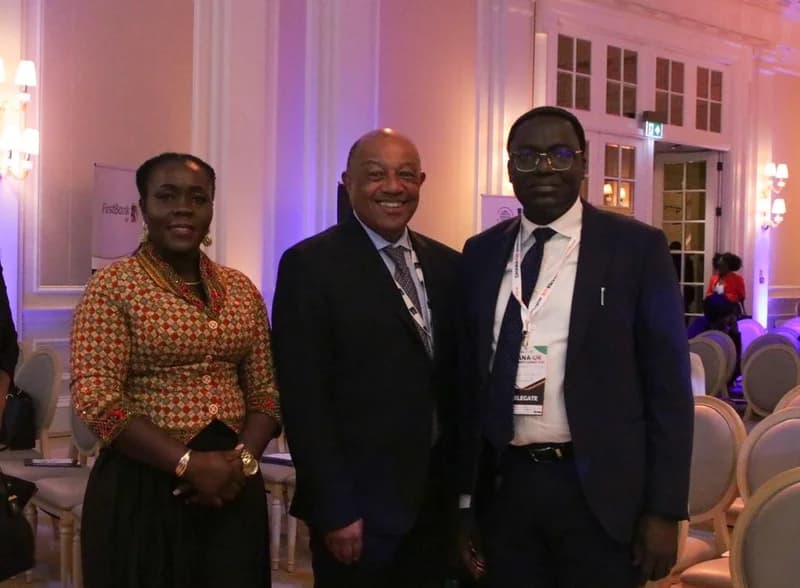
President John Dramani Mahama has led a high-powered Ghanaian delegation to London, signaling a transformative shift in the country's economic strategy by moving from aid dependency toward mutually beneficial global partnerships. The mission, highlighted by the President ringing the opening bell at the London Stock Exchange on June 3, 2026, aimed to cement Ghana’s status as a premier investment destination in Africa. During his visit, President Mahama held high-level discussions with King Charles III and British Prime Minister Sir Keir Starmer, while addressing the 12th Africa Debates. He emphasized that Ghana is "open for business," anchored by recent macroeconomic stabilization reforms and initiatives such as the 24-Hour Economy and the 'Big Push' infrastructure program designed to boost industrial productivity.
Significant breakthroughs were reported in the energy and tourism sectors, with Minister for Energy and Green Transition Dr. John Abdulai Jinapor announcing over $3.5 billion in secured upstream oil and gas investments. This capital influx, attributed to the government's 'Reset Agenda,' marks a resurgence in investor confidence and is expected to drive the first increase in crude oil production in nearly six years. Simultaneously, the tourism sector saw a major push for the Marine Drive Tourism Investment Project. Attachy Construction Limited and Tourism Minister Abla Dzifa Gomashie showcased the 240-acre coastline rejuvenation project to UK developers, highlighting a critical need for hospitality infrastructure and creative arts facilities to position Ghana as a West African cultural hub.
A central theme of the summit was the revaluation of Ghana’s natural resources as strategic investment assets. Elikem Kotoko, Deputy CEO of the Forestry Commission, argued that forests should no longer be viewed solely through the lens of conservation but as valuable natural capital capable of attracting private climate finance and driving carbon market growth. Kotoko stressed that public funding is insufficient to meet climate challenges, urging investors to leverage programs like the Ghana Cocoa Forest REDD+ initiative. However, he warned that attracting such sustainable investment requires robust Environmental, Social, and Governance (ESG) performance, emphasizing that transparency and strong institutional safeguards are non-negotiable for modern global investors.
To support this burgeoning investment climate, the Bank of Ghana and the Ghana Revenue Authority (GRA) outlined critical fiscal and financial reforms. Dr. Johnson Pandit Asiama, Governor of the Bank of Ghana, promoted digital credit solutions and technical assistance for startups to address the shortage of 'bankable projects.' Meanwhile, the GRA emphasized a shift toward tax predictability and partnership. Key reforms, such as the Modified Taxation Scheme (MTS) for SMEs, are intended to create a fair and transparent environment for businesses in manufacturing and renewable energy. These regulatory updates aim to lower the cost of borrowing and provide the legal certainty required to protect foreign capital.
Closing the Ghana-UK Investment Summit 2026, Minister for Trade, Agribusiness, and Industry Elizabeth Ofosu-Adjare reiterated Ghana’s readiness to serve as the gateway to the African continent. She noted that the collaborations forged in agribusiness and technology during the summit would be vital for job creation and long-term industrialization. As Ghana continues to navigate its economic recovery, the government’s focus remains on establishing a predictable, competitive investment climate that ensures shared prosperity for both the nation and its international partners, moving firmly into a new era of structured economic cooperation.
This story touches markets covered on Anansi Intelligence ↗.
Related topic
Ghana Customs Recruitment: Latest News & Updates →More from business
Continue exploring similar stories


