••
Ghana Infrastructure Crisis: Calls for Reform Intensify Over Flooding, Building Collapses, and Energy Security
•3 min read•13 sources
Ghana’s infrastructure and environmental management systems are under intense scrutiny as the nation grapples with persistent flooding, energy sector vulnerabilities, and a recurring cycle of building collapses. Despite high-profile political promises to resolve these systemic issues, recent heavy rains in Accra have once again tested the government’s resolve. President John Dramani Mahama, who returned to office in 2025 with pledges to implement engineering solutions through an Anti-Flood Taskforce, now faces growing criticism as seasonal flooding continues to displace residents. While the administration has pointed toward construction on waterways and citizen indiscipline as primary causes, members of Parliament such as Kojo Oppong Nkrumah have argued that the crisis stems from a failure to fund and implement existing technical solutions, noting that significant portions of approved disaster-management budgets often go unutilized.
The call for a collective national response is echoed by the Local Government Service Association of Physical Planners (LoGSAPP), which emphasizes that sustainable flood management requires more than reactive measures. LoGSAPP President Gifty Nyarko has urged for increased investment in spatial planning and stronger institutional enforcement to address the root causes of urban flooding. This sentiment is reinforced by concerns regarding the frequent collapse of buildings across the country. Experts describe these incidents as "death by neglect," citing the prevalence of unqualified artisans, cost-cutting practices, and the failure of regulatory bodies to enforce mandatory Certificates of Occupancy and rigorous safety inspections. These domestic infrastructure challenges mirror global trends of project delays, such as the technical setbacks currently postponing the opening of the Gordie Howe International Bridge between the US and Canada.
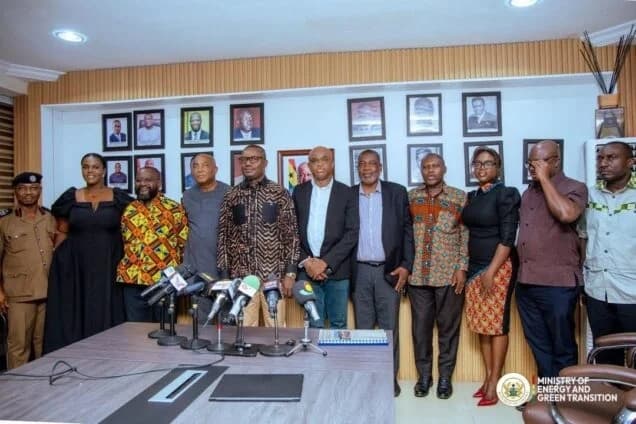
In the energy sector, Minister for Energy and Green Transition, Dr. John Abdulai Jinapor, has officially received the investigative report into the Akosombo Substation fire, which caused widespread power disruptions. The committee, led by Ing. William Amuna, concluded that the blaze was triggered by insulation failure and outdated cabling rather than deliberate action. In response, Dr. Jinapor has directed energy agencies to develop a comprehensive action plan for infrastructure upgrades and periodic safety audits. Beyond the capital, efforts to stabilize the grid continue as Pru East MP Emmanuel Boam recently engaged the Minister to address electricity reliability issues in the Bono East Region, which remain critical for local economic development and improved living conditions.
On the environmental front, the government is navigating the complex battle against illegal mining (galamsey) and the protection of natural resources. In Twifo Atti-Morkwa, communities along the Pra River are demanding urgent intervention as galamsey operations continue to pollute water sources vital for palm oil production and fishing. This environmental lawlessness has also led to violence, with A Rocha Ghana condemning recent attacks on Forestry Commission personnel in Kintampo. Amidst these challenges, the Ministry of Fisheries and Aquaculture has launched an innovative initiative in the Shama Municipality to convert abandoned quarry pits into fish farms. Spearheaded by Minister Emelia Arthur, the project aims to restore damaged lands and provide sustainable livelihoods, offering a potential model for environmental reclamation across the country.
This story touches markets covered on Anansi Intelligence ↗.
More from politics
Continue exploring similar stories


