••
President Mahama Orders Security Overhaul as Ghana Ranks Fifth Globally for Cocaine Seizures at Antwerp Port
•3 min read•11 sources
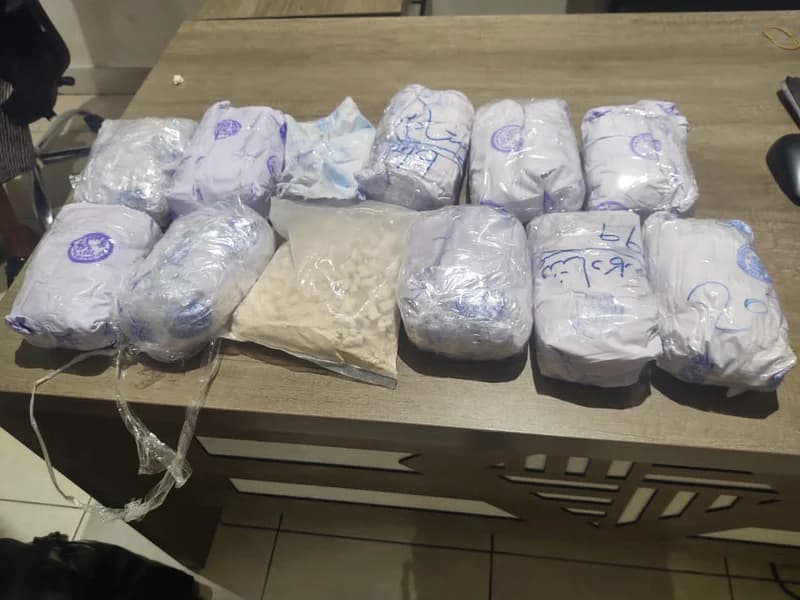
Ghana has emerged as a major hub in the international narcotics trade, ranking as the fifth-largest country of origin for cocaine seized at the Port of Antwerp in Belgium during 2025. According to data released by Belgian customs authorities, Ghana is the only non-Latin American nation to appear in the top five, joining major producers such as Ecuador, Colombia, Brazil, and Costa Rica. This development follows a record-breaking year for Belgian law enforcement, which intercepted nearly 55 tonnes of cocaine at Antwerp—a 24% increase from 2024. The inclusion of Ghana on this list marks a significant shift in global drug trafficking patterns, signaling that West African logistics corridors are increasingly being utilized to move Andean cocaine into European markets.
In response to the growing crisis, President John Mahama has convened emergency meetings with national security chiefs and established an inter-agency task force to bolster border defenses. The surge in seizures is largely linked to shipments originating from the Port of Tema, where traffickers have employed sophisticated concealment methods. Recent interceptions include 2,829 kg of cocaine hidden in shipments from Tema and approximately 4,000 kg discovered within bags of cassava flour. President Mahama has directed a comprehensive review of the nation’s narcotics detection systems and ordered immediate enhancements to port security to prevent Ghana from being further exploited as a distribution point.
The crackdown has already resulted in significant judicial activity, with ten suspects currently in custody, including several customs officials accused of facilitating the trade. Despite the gravity of the situation, political tensions have flared in Parliament; a motion for a formal inquiry into the trafficking operations was recently ruled inadmissible by the Speaker, who cited ongoing court proceedings as the reason for the dismissal. This domestic political friction coincides with growing international concern regarding the integrity of Ghanaian security agencies. International partners have reportedly expressed hesitation in sharing sensitive intelligence due to fears that state institutions may be compromised by corruption and internal threats.
Beyond the geopolitical implications, the Narcotics Control Commission has warned that Ghana’s role in the drug trade is evolving from a mere transit point to a burgeoning distribution hub. This shift is reflected in a staggering 197% increase in domestic drug-related arrests in 2025 and a rise in local narcotics consumption. As the government struggles to maintain the country’s reputation on the global stage, the focus remains on whether the new inter-agency task force can effectively dismantle the deep-rooted networks operating within the nation's ports and restore the trust of international security allies.
Related topic
John Mahama: Latest News & Updates →

