••
President Mahama Urged to Ensure Non-Partisan Debt Payments and Protect Private Savings
•3 min read•6 sources
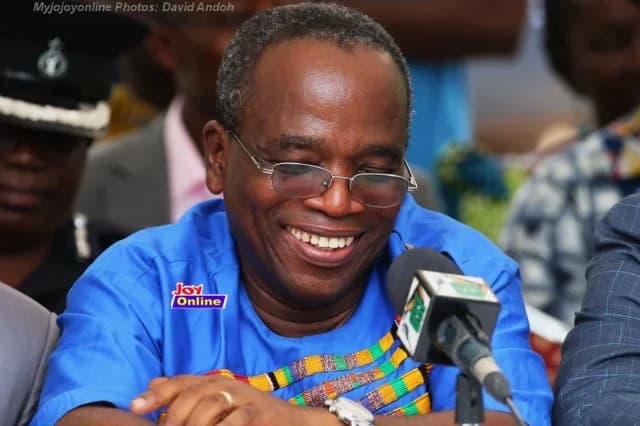
The administration of President John Mahama is facing increasing pressure to resolve lingering financial disputes and clarify controversial fiscal proposals that critics argue threaten private property rights and business stability. While Finance Minister Dr. Cassiel Ato Forson has touted economic gains and savings through the Domestic Debt Exchange Programme (DDEP), significant concerns have been raised regarding the selective payment of government contractors and a new plan to utilize dormant bank accounts to fund national development. These developments have sparked calls for greater transparency and an end to perceived partisan biases in the management of the country's finances. A primary point of contention involves the non-payment of suppliers under the Free Senior High School (SHS) policy who were contracted during the previous administration of former President Nana Akufo-Addo. Reports indicate that while new suppliers appointed since 2025 are receiving prompt payments, long-standing creditors like Rostella Enterprise have seen their dues stalled since late 2024. In an open appeal for justice, commentator Yaw Boadu Ayeboafo argued that these businesses are being unfairly penalized due to their perceived political affiliations or the timing of their contracts. He urged President Mahama to intervene, emphasizing that legitimate business operations should remain insulated from the shifts in political leadership to maintain the integrity of essential educational programs. Simultaneously, the Institute for Liberty and Policy Innovation (ILAPI) has voiced strong opposition to the Ministry of Finance's proposal to tap into dormant bank accounts to bridge budget gaps. ILAPI Executive Director Peter Bismark warned that treating idle accounts as abandoned assets could severely undermine public trust in the banking sector and violate constitutional property rights. The institute argues that dormant accounts often represent long-term savings strategies rather than abandoned funds. Instead of government appropriation, ILAPI recommends that the state focus on rigorous fiscal discipline and the establishment of an Independent Unclaimed Assets Trust to ensure that such funds are managed transparently and remain accessible to their rightful owners or heirs. These dual challenges highlight a growing demand for the Mahama administration to prioritize equitable treatment of all stakeholders in the national economy. Observers suggest that the government's ability to reconcile its debt to previous suppliers while respecting the sanctity of private savings will be a critical test of its commitment to non-partisan governance. By addressing these grievances and adopting institutional reforms like the proposed assets trust, the administration could reinforce the rule of law and foster a more stable environment for both domestic businesses and individual savers.
This story touches markets covered on Anansi Intelligence ↗.
Related topic
John Mahama: Latest News & Updates →More from politics
Continue exploring similar stories


