Ghana News AI
HomeBriefsAsk GhanaTopicsTools
•
•

Stay Informed

Get AI-curated news briefs from Ghana delivered to your inbox every morning. Free forever, no spam.

Explore

  • Home
  • Briefs
  • About

Categories

  • Politics
  • Business
  • Sports
  • Entertainment
  • Africa

Features

  • Analysis
  • Cedi Rates
  • Dollar to Cedi
  • Ghana Gold Price
  • BoG Policy Rate

Topics

  • Armed Forces Recruitment
  • WAEC Results & News
  • Nana Ama McBrown
  • NDC News
  • All Topics

Legal

  • Privacy Policy
  • Terms of Service
Ghana News AI© 2026. All rights reserved.
Made withfor Ghana
health

Health Ministry Tackles Rising Ashanti Maternal Mortality and Strengthens Post-Flood Disease Surveillance

13th August•2 min read•2 sources
Health Ministry Tackles Rising Ashanti Maternal Mortality and Strengthens Post-Flood Disease Surveillance
  1. Home
  2. /Health
  3. /Health Ministry Tackles Rising Ashanti Maternal Mortality and Strengthens Post-Flood Disease Surveillance

The Ghanaian health sector is currently navigating a dual challenge of addressing systemic maternal health gaps and managing acute public health risks triggered by environmental factors. Under the administration of President John Mahama, the Ministry of Health and the Ghana Health Service (GHS) have been tasked with reversing alarming trends in maternal deaths while simultaneously fortifying the nation's defenses against waterborne diseases. Recent interventions have focused on the Ashanti Region, which has emerged as a focal point for maternal health concerns, and the deployment of emergency diagnostic tools to flood-prone communities.

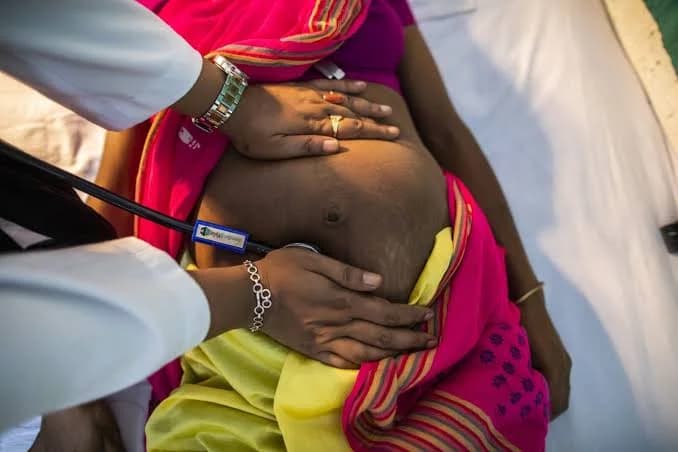
Official statistics indicate that the Ashanti Region now holds the highest maternal mortality rate in Ghana, with figures climbing from 195.6 to 196.7 deaths per 100,000 live births between 2024 and 2025. This region alone accounted for nearly a quarter of the country’s maternal deaths last year. Deputy Minister of Health, Dr. Grace Ayensu Danquah, has highlighted the urgency of this crisis, noting that the national average of 235 deaths per 100,000 live births remains far above the Sustainable Development Goal (SDG) target of 70. Dr. Danquah emphasized that improving healthcare quality is only one part of the solution, urging a broader approach to address the underlying socio-economic factors contributing to these fatalities.

Simultaneously, the GHS is bolstering its emergency response capabilities following the June 2026 floods. To enhance disease surveillance and protect vulnerable populations, the service has taken delivery of six Emergency Health Kits and 600 cholera Rapid Diagnostic Tests (RDTs). These resources are specifically intended to help health workers in flood-affected areas identify cholera cases quickly and manage potential outbreaks. By focusing on both immediate diagnostic needs and community preparedness, the GHS aims to mitigate the historical risk of waterborne diseases that often follow severe weather events.

Moving forward, the Ministry of Health aims to bridge the gap between regional health disparities and national targets. The integration of rapid diagnostic technology and specialized maternal health interventions forms the backbone of a strategy to meet the 2030 SDG objectives. As health authorities continue to monitor the impact of these supplies and the effectiveness of regional health policies, the emphasis remains on a resilient healthcare system capable of protecting mothers and providing rapid responses to public health emergencies across all sixteen regions.

Our Take

From the Team

Coming Soon

Our team will add key insights, trends, and actionable takeaways to help you stay informed faster.

This story touches markets covered on Anansi Intelligence ↗.

Related topic

John Mahama: Latest News & Updates →

More from health

Continue exploring similar stories

Asantehene Otumfuo Osei Tutu II Demands Urgent Action to Eradicate Maternal Mortality in Ghana
health|2 days ago

Asantehene Otumfuo Osei Tutu II Demands Urgent Action to Eradicate Maternal Mortality in Ghana

The Asantehene, Otumfuo Osei Tutu II, has issued a powerful call for immediate and decisive action to address the persistent challenge of maternal mortality in Ghana. Speaking during a high-level meeting with the Deputy Minister of Health, Dr. Grace Ayensu Danquah, the monarch characterized the loss of lives during childbirth as "unacceptable" in modern Ghana. His remarks highlight a critical area of national concern, as the country continues to grapple with the complexities of ensuring safe delivery for all mothers regardless of their geographical location or socioeconomic status. During the engagement, Otumfuo Osei Tutu II lauded the Ministry of Health’s initiatives, specifically highlighting the Maternal Mortality Action and Response Programme (M-MARP). This program aims to bridge the gap in healthcare delivery by providing targeted interventions and monitoring mechanisms designed to save lives. The Asantehene emphasized that while government policies and programs like M-MARP are essential, their success depends heavily on consistent implementation and the commitment of stakeholders across the healthcare value chain to prioritize maternal welfare over all other considerations. Central to the Asantehene’s message was a direct appeal to healthcare professionals to uphold the highest standards of professionalism and ethics. He noted that the attitude and diligence of medical staff are often the deciding factors in maternal outcomes, calling for a renewed focus on patient-centered care. Furthermore, the monarch addressed expectant mothers directly, urging them to strictly adhere to prenatal care guidelines and seek medical attention early. By encouraging a collaborative effort between patients and providers, Otumfuo aims to create a culture of proactive health management that minimizes the risks associated with pregnancy and childbirth. This royal intervention comes at a crucial time as Ghana strives to meet international benchmarks and the Sustainable Development Goal (SDG) targets related to maternal health. The involvement of traditional authorities like the Asantehene provides a significant boost to public health advocacy, leveraging cultural influence to drive behavioral changes and policy accountability. As the Ministry of Health continues its rollout of maternal health initiatives under the current administration, the call for urgency from Manhyia Palace serves as a reminder that reducing maternal deaths is not just a medical objective, but a moral imperative for the nation’s social development.

Ghanaian Returnee From South Africa Dies Following Medical Emergency at Kotoka International Airport
health|2 days ago

Ghanaian Returnee From South Africa Dies Following Medical Emergency at Kotoka International Airport

A Ghanaian citizen returning from South Africa as part of a government-led evacuation exercise tragically passed away shortly after arriving at the Kotoka International Airport in Accra on August 14, 2026. The individual was among a group of 50 Ghanaians being repatriated following recent periods of unrest in South Africa. This loss has cast a somber shadow over the repatriation efforts intended to bring citizens back to safety under the current administration of President John Mahama, who has prioritized the protection of Ghanaians living abroad. The returnees traveled on an Air Tanzania flight that landed at approximately 5:50 p.m. Official reports from the Ministry of Foreign Affairs indicate that the passenger reported feeling unwell about 30 minutes before the aircraft touched down. Upon landing, a medical emergency team, which had been stationed at the airport as part of the standard reception protocols for the returnees, immediately attended to the individual to provide urgent care. Despite the swift intervention and the intensive efforts of the medical personnel to stabilize his condition, the returnee was tragically pronounced dead at 6:55 p.m., just over an hour after arrival. The Ministry of Foreign Affairs has formally expressed its deepest condolences to the bereaved family and is currently coordinating with them during this difficult time. The government's immediate focus remains on providing support to the remaining 49 returnees who arrived on the same flight and ensuring they receive the necessary reintegration assistance. To determine the exact cause of death, the body has been transported to the Police Hospital for a comprehensive autopsy. This incident highlights the complexities and health risks associated with large-scale evacuations of citizens from crisis zones. Government officials have reaffirmed their commitment to the safety of Ghanaians abroad, ensuring that medical protocols remain a priority for all future repatriation exercises as part of the state's protective mandate.

University of Education Hospital Suspends OPD Services as GAUA Strike Paralyzes Health Delivery in Winneba
health|2 days ago

University of Education Hospital Suspends OPD Services as GAUA Strike Paralyzes Health Delivery in Winneba

The University of Education Hospital in Winneba has officially suspended its Outpatient Department (OPD) services, citing the ongoing nationwide strike action by the Ghana Association of University Administrators (GAUA). The decision, which took effect immediately, leaves hundreds of patients who rely on the facility for routine medical care without access to essential services. Hospital management announced that the suspension would remain in force until the industrial dispute between the association and the government is resolved and the strike is formally called off, signaling a significant disruption in the university's service delivery. In a formal communication directed to the general public and the university community, the hospital administration expressed regret over the disruption, apologizing for the inconvenience caused to patients and visitors. Currently, individuals requiring non-emergency consultations, diagnostic tests, or routine check-ups are being turned away until further notice. Despite the critical nature of these services, the facility has not yet outlined any alternative arrangements or specific referral pathways for affected patients. This lack of a contingency plan forces many to seek medical attention at private clinics or the Winneba Trauma and Specialist Hospital, which may face increased pressure as a result of the sudden influx of patients. The suspension highlights the deepening impact of the GAUA strike on the university environment, where administrative and professional staff play a pivotal role in the operational chain of campus-based health facilities. As the industrial action persists, concerns are mounting over the long-term health implications for students and residents of the Winneba enclave who depend on the UEW Hospital for affordable and accessible care. Stakeholders are now urging the government to expedite negotiations with university administrators to restore normalcy to both academic and health services across the country’s tertiary institutions.

Dr Rose Omari, Principal Investigator at CSIR-STEPRI, addressing participants in the stakeholders' workshop
health|2 days ago

CSIR-STEPRI Urges National Investment in Transportation and Infrastructure to Combat Malnutrition and Food Waste

The Council for Scientific and Industrial Research’s Science and Technology Policy Research Institute (CSIR-STEPRI) has called for an urgent national policy to boost investment across Ghana’s food value chain. Highlighting the critical link between infrastructure and public health, the Council emphasized that enhancing transport, storage, and processing systems is essential to making nutritious foods both accessible and affordable for all Ghanaians. This move comes as the nation grapples with the dual challenges of rising obesity and persistent malnutrition, particularly within low-income communities. A recent report by CSIR-STEPRI underscores the detrimental impact of inadequate handling and logistics on food security. According to the study, over 40 percent of certain agricultural produce is lost or spoiled before reaching consumers due to poor transportation and insufficient storage facilities. This significant post-harvest loss not only drives up the prices of healthy food options but also restricts their availability in local markets. By modernizing road networks and improving distribution channels, the Council argues that the government can significantly reduce waste and ensure that fresh, nutrient-dense produce reaches those who need it most. To address these systemic issues, CSIR-STEPRI is advocating for a coordinated government effort to prioritize infrastructure projects that support the agricultural sector. Beyond infrastructure, the report calls for a holistic approach to food environment policies that integrate dietary quality into national development plans. As Ghana moves forward under the administration of President John Mahama, these recommendations provide a roadmap for improving the country's nutritional outcomes and economic resilience by securing the food supply chain from farm to fork.

All
africa
business
education
entertainment
health
news
politics
sports
technology