••
President Mahama Outlines Infrastructure Goals as Ahafo Chiefs Demand Accelerated Development
•3 min read•24 sources
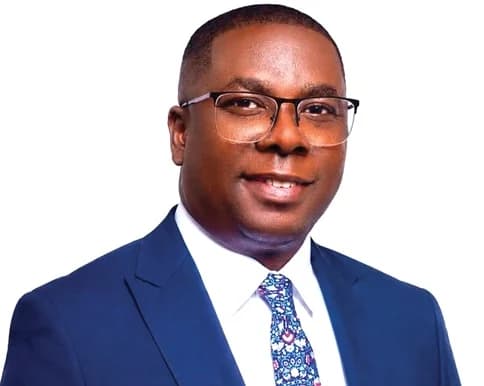
President John Mahama has signaled a major push for national infrastructure development, centering on the commencement of the Accra-Kumasi Expressway and addressing specific developmental gaps in the Ahafo Region. During a high-level meeting at the Jubilee House, the Ahafo Regional House of Chiefs, led by Barima Twereku Ampem III, petitioned the President for the establishment of a degree-awarding institution, the completion of abandoned Ghana Education Trust Fund (GETFund) projects, and improved healthcare facilities. In response, President Mahama assured the traditional leaders that his administration would deliver regional hospitals and a tertiary institution by the end of his term, while also calling on mining giants like Newmont to deepen their corporate social responsibility within their host communities.
A cornerstone of the government’s infrastructure agenda is the newly announced procurement process for the Accra-Kumasi Expressway. President Mahama confirmed that the Ghana Armed Forces are already serving as a major subcontractor, having cleared the right-of-way to facilitate the next phase of construction. The President expressed optimism that the project, which aims to drastically improve connectivity between southern and northern Ghana, will be completed within three years. Complementing these large-scale works, the Minister of Works and Housing, Ahmed Ibrahim, has urged indigenous contractors to prioritize quality and efficiency to ensure that the economic benefits of such investments remain within the country.
While the government promotes its "Big Push" infrastructure programme, the initiative has not been without political friction. In Ho, the demolition of structures to make way for road expansion ahead of the 2025 National Farmers’ Day sparked a heated dispute. The New Patriotic Party (NPP) accused the government of a targeted political attack after a fence wall at their regional office was removed. However, the National Democratic Congress (NDC) and local authorities clarified that the demolition was strictly a matter of urban planning, affecting multiple private and religious properties situated within road reservations. Despite these tensions, local development projects continue across the country, including the handover of health facilities and schools in Krachi East and the installation of 100 streetlights by Tano North MP Dr. Gideon Boako to enhance security in Duayaw Nkwanta.
Looking toward long-term sustainability, President Mahama has called for a more integrated role for traditional authorities in local governance. He revealed that 80% of the District Assemblies Common Fund is now being channeled directly to districts to empower local development. The President urged chiefs to collaborate with District Chief Executives to oversee these resources, ensuring they are used effectively for community projects like the proposed 24-hour market centers planned for each of the 261 districts. As the administration moves forward with these ambitious targets, the focus remains on balancing rapid infrastructure growth with inclusive economic stability and job creation.


