••
Lydia Forson, Okyeame Kwame, and Kwaw Kese Spark National Dialogue on Cultural Identity and Social Conduct
•3 min read•3 sources
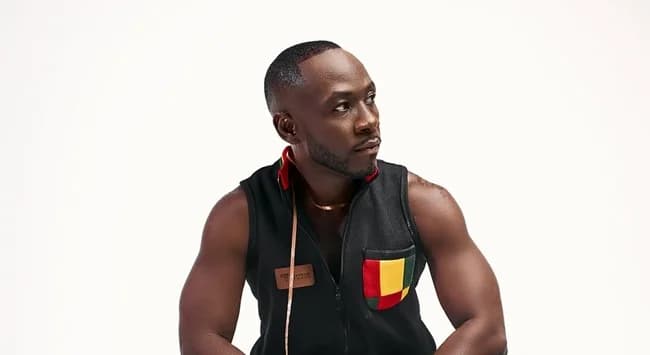
Leading Ghanaian celebrities Lydia Forson, Okyeame Kwame, and Kwaw Kese have sparked significant public discourse this week, addressing issues ranging from the erosion of national identity to the evolution of gender roles and the toxicity of online interactions. These prominent figures are increasingly using their platforms and media appearances to challenge societal norms, urging Ghanaians to reflect on their cultural heritage and interpersonal behavior in a rapidly globalizing digital age. The various discussions highlight a growing trend of entertainers acting as social commentators on matters beyond the stage and screen.
Actress Lydia Forson raised concerns over what she describes as a burgeoning "identity crisis" facing the nation. In a recent social media address, she criticized the growing tendency of Ghanaians to replace traditional local terms with borrowed foreign expressions, specifically citing the use of "puff puff" instead of "bofrot" and "Ankara" for "ntoma." Forson argued that while cultural evolution is natural, it is essential to preserve uniquely Ghanaian aspects for future generations. Linked to her brand, Kinky Matters, she emphasized that her stance is not an attack on other cultures but an encouragement to value Ghanaian heritage alongside global influences, calling out leaders who fail to promote national pride.
Adding to the conversation on societal values, musician Okyeame Kwame shared profound reflections on femininity and gender roles during an interview on Joy Prime’s show, Changes. The musician expressed a deep admiration for the unique strength of women, stating a desire to experience childbirth in his next life. Kwame challenged men to "unlearn" traditional beliefs and embrace their feminine side to foster better societal connections and empathy. His comments underscore a shifting narrative within the industry, where male stars are increasingly advocating for feminist ideals and a deeper understanding of the systemic challenges women face.
Meanwhile, rapper Kwaw Kese turned the spotlight on digital behavior, calling for a radical shift in how Ghanaians engage online. Kese urged social media users to distinguish between healthy disagreement and personal attacks, emphasizing the need for constructive criticism and meaningful dialogue. While his message was aimed at improving online decorum, it sparked a secondary debate regarding his own language, as some users pointed out the irony of him labeling those who resort to insults as "fools." Despite the mixed reactions, the rapper's intervention highlights a growing demand for more respectful and mature online interactions.
Collectively, these interventions suggest a maturing entertainment landscape where celebrities are leveraging their influence to tackle complex social issues. By addressing the preservation of local terminology, the deconstruction of gender stereotypes, and the necessity of digital ethics, these stars are prompting their audiences to reconsider how they engage with both their culture and one another. These ongoing discussions serve as a reminder that as Ghana continues to modernize, the dialogue surrounding national identity and social conduct remains critical to the country's social fabric.

