••
Ghana's Education Sector Grapples with Climate Crises through STEM Innovation and Disaster Preparedness
•2 min read•3 sources
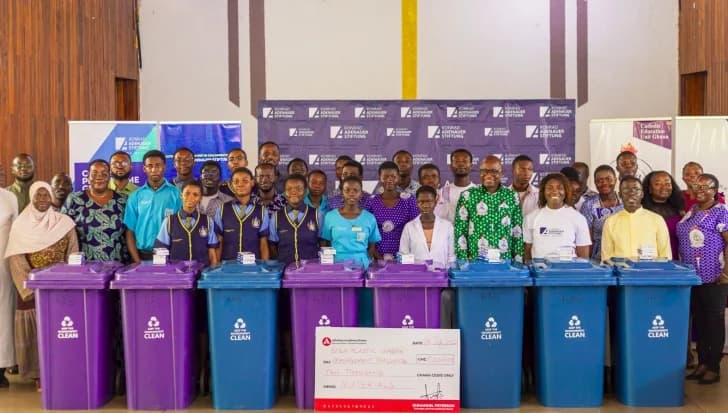
Our Lady of Grace Senior High School has emerged as the winner of the fourth National STEM Plastic Waste Management Competition in Kumasi, a victory that highlights growing student engagement with Ghana's environmental crises. Organized by the Konrad Adenauer-Stiftung (KAS) Ghana Office in collaboration with the Catholic Bishops' Conference, the competition saw students from various institutions, including the Catholic Technical Institute and St. Augustine's Senior High School, showcase practical solutions by transforming plastic waste into recycled products. This spirit of youth innovation is increasingly vital as the country faces the escalating physical and systemic threats posed by climate change, which continue to jeopardize the stability of the academic calendar.
The vulnerability of the educational sector was starkly illustrated during severe flooding in June 2026, which paralyzed the capital city of Accra. Inundated roads at key transit points like the N1 Highway and Kwame Nkrumah Circle prevented students from reaching their classrooms and forced the postponement of professional examinations at the Ghana School of Law. This ongoing crisis, exacerbated by paved-over wetlands and outdated drainage systems, reflects a global trend where climate events disrupt the education of approximately 40 million children annually. Education planners are now calling for a strengthened framework for disaster preparedness, emphasizing the need for resilient school infrastructure and specialized training in flood-prone areas.
To bridge the gap between these environmental challenges and public awareness, the Centre for Journalism Innovation and Development (CJID) has announced an expansion of its environmental journalism programme across West Africa. Speaking at the CJID Ghana Media Summit, Executive Director Babatunde Akintunde underscored the importance of specialized training for journalists to bolster coverage on climate resilience and environmental governance. By improving reporting in Ghana and neighboring countries, the initiative aims to hold authorities accountable and ensure that environmental issues receive the urgent attention required to protect critical infrastructure.
Moving forward, the focus remains on ensuring that learning is not left behind when disaster strikes. Ghana has previously demonstrated proactive potential through its implementation of Emergency Remote Teaching during the COVID-19 pandemic. By leveraging these existing frameworks and integrating STEM-based entrepreneurial solutions to waste management, the country seeks to build a more resilient educational ecosystem. The transition toward a circular economy and improved disaster management is no longer just an environmental goal but a prerequisite for the continued education and development of Ghana’s youth.
This story touches markets covered on Anansi Intelligence ↗.
More from education
Continue exploring similar stories


