••
Ghanaian Municipalities Intensify Demolitions at Laboma, Agbogbloshie, and Kumasi to Tackle Flooding and Urban Disorder
•3 min read•7 sources
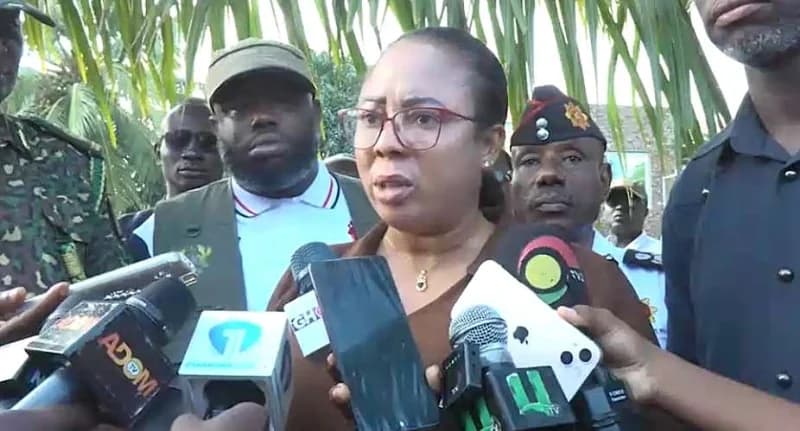
The Greater Accra Regional Security Council (REGSEC) and the Accra Metropolitan Assembly (AMA) are set to launch a significant new phase of demolition exercises next week, targeting illegal structures at Laboma and Agbogbloshie to mitigate persistent flooding in the capital. Greater Accra Regional Minister, Linda Ocloo, emphasized that the initiative is a direct response to the devastating floods of June 29, which highlighted the critical need to reclaim waterways and restore buffer zones. The government’s strategy focuses on removing unauthorized buildings that obstruct the free flow of stormwater and dismantling structures that have encroached upon vital drainage infrastructure to ensure the long-term enforcement of planning regulations.
In Agbogbloshie specifically, the AMA has called upon the Ministry of Works and Housing to expedite the clearing of the Galloway drain buffer zone. According to Solomon Noi, the AMA's Head of Waste Management, squatters have occupied approximately 50 meters of this essential area, which has not only blocked desilting and dredging operations but has also turned the zone into a hotspot for illegal waste disposal. The Assembly warns that without immediate action to reclaim this buffer, the capital’s flood mitigation efforts will remain severely compromised, leaving residents and businesses vulnerable to the impact of future heavy rains.
Simultaneously, the Kumasi Metropolitan Assembly (KMA) is navigating the political fallout of its own demolition efforts at the Baba Yara Sports Stadium. Mayor Richard Kwasi Ofori Boadi Agyemang recently dismissed allegations suggesting he had a personal financial stake in the installation of new prefabricated containers at the site. While the KMA maintains that the clearing of unauthorized stalls was necessary to restore order and improve sanitation, the swift appearance of new foundations for stalls has sparked public suspicion. The Mayor clarified that the KMA is not benefiting financially from the project and that only 14 compliant traders will be permitted to return, aiming to modernize the area while minimizing fire risks and dismissing speculations of favoritism.
These coordinated and often controversial actions across Ghana’s major metropolitan areas signal a toughening stance by local authorities on urban planning and public safety. By enforcing planning regulations and removing illegal encroachments, the government aims to create more resilient urban environments. However, as seen in both Accra and Kumasi, these exercises face significant challenges, ranging from the displacement of squatters and traders to public skepticism regarding the transparency of rebuilding projects. The success of these initiatives will depend on the government’s ability to balance strict enforcement with sustainable urban development and clear communication with affected communities.
This story touches markets covered on Anansi Intelligence ↗.
More from politics
Continue exploring similar stories


