••
GFA President Kurt Okraku Faces Public Backlash Over Dismissive Response to MP’s Football Reform Calls
•2 min read•3 sources
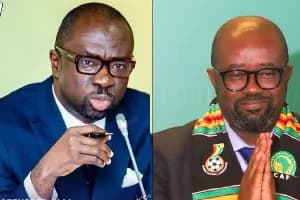
Ghana Football Association (GFA) President Kurt Okraku has come under heavy fire from football enthusiasts following a public spat with the Member of Parliament (MP) for Manhyia South, Nana Agyei Baffour Awuah. The controversy erupted after the MP called for direct government intervention to reform the country's football administration, citing a consistent decline in the performance of various national teams. Okraku’s dismissive retort, which questioned the legislator's personal contributions to sports infrastructure, has sparked a heated debate regarding the accountability of the GFA and the role of the state in sports management.
Nana Agyei Baffour Awuah’s critique focused on the perceived inefficiencies within the GFA, pointing to the string of failures by national teams to qualify for major international competitions or perform at their historical standards as evidence of a deeper crisis. The MP argued that these systemic issues necessitate a comprehensive overhaul, suggesting that the current leadership of the GFA requires external oversight to restore the nation's footballing glory. This call for intervention reflects a growing sentiment among some stakeholders who believe the GFA’s autonomy should not shield it from accountability when results are consistently poor.
In response to these calls for reform, GFA President Kurt Okraku took a defensive stance, specifically challenging the MP’s own track record in supporting the sport at the grassroots level. Okraku reportedly countered by asking how many football pitches or stadiums the Manhyia South legislator had constructed for his constituents before criticizing the national governing body. This attempt to shift the focus from administrative performance to the infrastructure development efforts of individual politicians has been viewed by many as a diversionary tactic rather than a substantive engagement with the MP’s concerns.
The exchange has triggered a wave of criticism from fans on social media and in public forums, with many slamming the GFA President for what they describe as an arrogant and irrelevant response. Critics have pointed out that it is not the primary constitutional or professional responsibility of a Member of Parliament to construct stadiums—a task usually falling under the Ministry of Youth and Sports or the GFA’s own development mandates. The fallout from this clash underscores a widening rift between the GFA leadership and the public, as pressure mounts for the association to address administrative failures rather than engaging in personal political battles.

