••
Heavy Rains Paralyse Kpetoe and Parts of Accra as Floods Displace Hundreds and Submerge Key Infrastructure
•2 min read•7 sources
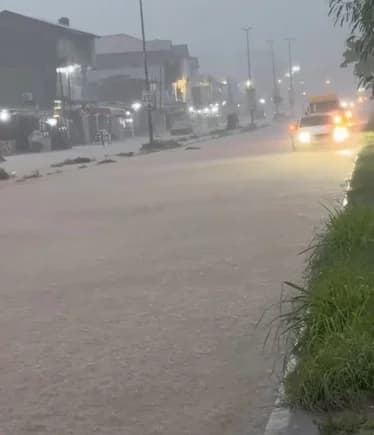
Torrential rains across Ghana have triggered devastating floods, submerging the critical Kpetoe bridge in the Volta Region and paralyzing various neighborhoods in the Greater Accra Region. The heavy downpours, which in some areas lasted over 48 hours, have led to widespread displacement, significant property damage, and severe disruptions to morning commutes on major highways. The National Disaster Management Organisation (NADMO) has issued urgent flood alerts for Accra and Tema, as rising water levels continue to threaten homes and businesses, forcing many residents to evacuate to safer grounds.
In the Volta Region, the Tordze River burst its banks on June 30, 2026, completely submerging the Kpetoe bridge on the Ho-Denu highway. This disaster has effectively halted vehicular movement and cut off essential transport routes, leaving thousands of commuters stranded. Reports indicate that approximately 500 residents in Kpetoe and nearby Agorve have been displaced, with the floods destroying homes, farms, and livestock. While the Ghana National Fire Service and NADMO have launched rescue operations, economic activities in the area remain at a standstill as the community grapples with the scale of the destruction.
In the Greater Accra Region, the impact has been equally severe across multiple districts. Neighborhoods such as Olebu Ablekuma, Tse Addo, Abeka, and Lapaz have seen floodwaters reach waist-high levels, submerging houses and ruining personal belongings and school materials. In Tse Addo, the overflowing Kpeshie Lagoon has rendered roads impassable, while the Tetteh Quashie interchange and N1 highway experienced massive traffic congestion. The environmental toll is also mounting; social media footage has captured significant volumes of plastic waste and debris, carried through city gutters, washing up on the La shoreline and polluting the sea.
Amidst the rising waters, safety concerns have prompted immediate regulatory action from the National Petroleum Authority (NPA). The authority has issued a strict mandate for the suspension of operations at all fuel stations in flood-hit areas. This directive prohibits the dispensing, loading, or offloading of fuel where forecourts or storage points have been compromised by water, aiming to prevent hazardous leaks or contamination. Meanwhile, residents in affected communities have renewed calls for the government to address the underlying causes of the perennial flooding, specifically citing inadequate drainage systems and poor urban planning as the primary drivers of the crisis.
Related topic
Ghana Fire Service Recruitment: Latest News Today →