••
Kpandai District Residents Rely on 'Mango Tree' Signals Amid Severe Mobile Connectivity Crisis
•2 min read•1 source
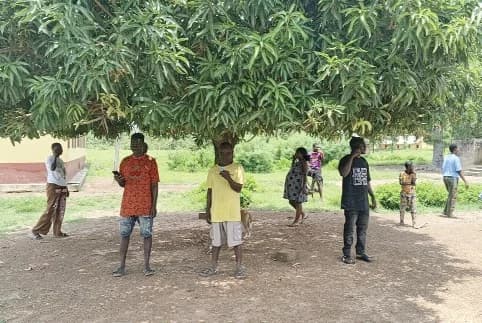
In several communities within the Kpandai District, the quest for a stable mobile network signal has become a physical journey to a specific mango tree. Residents of Chakori, Bombare, Nanjuro, and Konjado are currently grappling with a persistent digital divide that has left them largely isolated from the modern telecommunications landscape. This lack of reliable connectivity is not merely an inconvenience but a significant barrier to daily life, forcing locals to seek out elevated spots or specific natural landmarks just to place a simple phone call or access basic data services.
The consequences of this connectivity vacuum are far-reaching, affecting essential services and economic prospects for thousands of Ghanaians. Healthcare delivery is particularly vulnerable, as residents struggle to contact emergency services or medical personnel during life-threatening crises. Furthermore, the digital isolation has resulted in missed job opportunities for the youth and hindered educational progress for students who cannot access necessary online resources. Community leaders have highlighted that without stable network coverage, the region remains at a competitive disadvantage, stalling local development and leaving the population feeling abandoned by the digital age.
Addressing these concerns, the District Chief Executive (DCE) has acknowledged the severity of the situation and the hardships faced by the affected communities. Efforts are reportedly underway to integrate these areas into the Rural Telephony Project, a government-aligned initiative designed to extend mobile and data coverage to underserved rural regions. While the local assembly has expressed commitment to resolving the infrastructure deficit, community leaders are urging for an expedited timeline, emphasizing that reliable mobile access is a fundamental requirement for modern safety and economic survival.
As Ghana continues to push for nationwide digitalization, the plight of Kpandai’s residents serves as a stark reminder of the infrastructure gaps that remain in the country’s hinterlands. The transition from searching for signals under a mango tree to enjoying consistent, high-speed connectivity will be a critical litmus test for the success of rural development policies. For now, the people of Chakori and surrounding villages remain in wait, hoping for the day they can connect with the world from the comfort of their homes.


