••
KNUST Study Reveals 1,360 Drowning Deaths in Ghana; Experts Call for Urgent Safety Reforms
•2 min read•2 sources
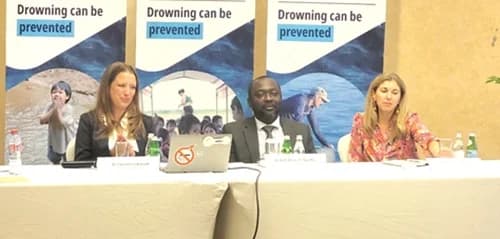
A comprehensive study conducted by the Kwame Nkrumah University of Science and Technology (KNUST) in partnership with the CDC Foundation has uncovered a staggering mortality rate linked to drowning in Ghana. Between 2019 and 2021, at least 1,360 individuals lost their lives to drowning across the country. The research, which gathered data from 52 districts through intensive interviews and record reviews, highlights a critical public health challenge that necessitates immediate policy intervention and community awareness to mitigate preventable loss of life.
The findings indicate that certain demographics are disproportionately affected by this crisis. Young adults and children under the age of five—particularly males—were identified as the groups at the highest risk. Most incidents occurred in natural bodies of water such as rivers and oceans, which remain common sites for both recreation and transit. The study pointed to several significant behavioral and environmental risk factors, including the consumption of alcohol before swimming, a widespread lack of swimming proficiency, and the inadequate use of lifejackets. Furthermore, unpredictable weather conditions were cited as a major contributing factor in several fatal incidents recorded over the three-year period.
Beyond natural water bodies, the report shed light on hazardous man-made structures that pose a silent threat to communities. Professor Emmanuel Nakua emphasized the peculiar danger posed by septic tanks that have effectively become "water traps," often remaining uncovered or poorly secured until a tragedy occurs. Officials from the World Health Organization (WHO) also contributed to the discourse, noting that while drowning is a global issue, the situation in Ghana is exacerbated by insufficient environmental regulations. They urged for stricter controls to prevent flooding and manage drainage systems, which frequently contribute to drowning risks during the rainy season.
To address these alarming statistics, researchers and health officials are advocating for a multi-pronged approach focusing on infrastructure, education, and safety standards. Recommendations include the mandatory use of safety equipment, the implementation of nationwide water safety education programs, and the enhancement of physical infrastructure to secure open water sources. As the current administration under President John Mahama continues to address national health priorities, this study serves as a vital call to action for the government and stakeholders to integrate drowning prevention into the national safety agenda.
This story touches markets covered on Anansi Intelligence ↗.
Related topic
John Mahama: Latest News & Updates →More from health
Continue exploring similar stories


