••
KNUST Researchers Identify Potential Prostate Cancer Treatment in Local Ghanaian Medicinal Plant "Bokum"
•2 min read•4 sources
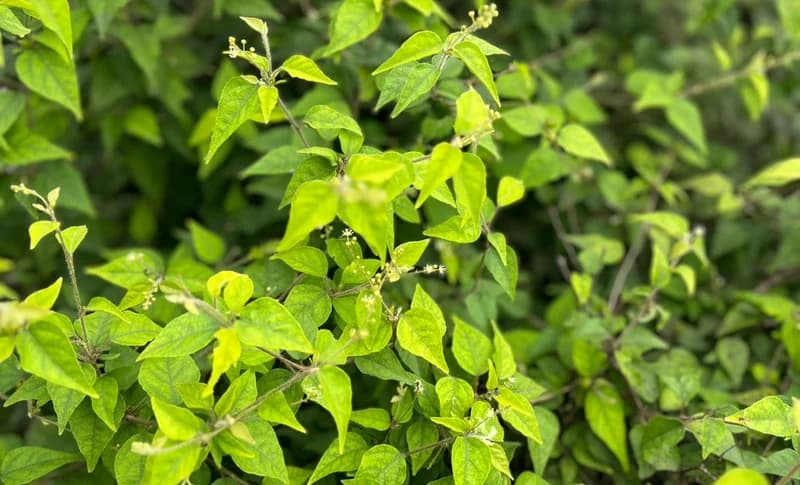
Researchers at the Kwame Nkrumah University of Science and Technology (KNUST) have uncovered significant evidence that Croton membranaceus, a traditional Ghanaian medicinal plant popularly known as "Bokum," may inhibit the growth of prostate cancer tumors. The study, published in the journal Cancer Cell International, suggests that the plant’s root extract has the potential to "starve" tumors by blocking angiogenesis—the biological process where tumors create new blood vessels to supply themselves with oxygen and nutrients. This breakthrough offers a scientific basis for the plant's long-standing use in traditional medicine for prostate disorders. Led by Dr. Kofi Oduro Yeboah, the research team focused on the hydroethanolic root extract of the plant. Through laboratory models involving rat and chick subjects, the scientists observed that the extract significantly reduced blood vessel density within prostate cancer tissues and disrupted the development of vascular networks. Crucially, the extract was found to suppress the expression of PDGFR̢, a protein heavily associated with tumor progression. These findings indicate that the plant may provide therapeutic benefits that go beyond mere symptom management, directly interfering with the tumor's ability to survive and expand. While Croton membranaceus has been a staple in Ghanaian herbal medicine for decades, this research provides a critical mechanistic understanding of its anti-cancer properties. By demonstrating how the plant interacts with cellular proteins to inhibit blood supply to tumors, the study bridges the gap between indigenous knowledge and modern oncological science. It highlights the vast potential of Ghana’s local flora in contributing to global medical solutions for one of the most prevalent cancers among men. Despite the promising results, the research team has cautioned that the findings are currently limited to laboratory and animal models. Further clinical trials in humans are necessary to determine the safety, proper dosage, and long-term effectiveness of the extract as a formal treatment. Nevertheless, the study represents a significant milestone for Ghanaian medical research, paving the way for potential new, locally-sourced therapies in the fight against prostate cancer.
This story touches markets covered on Anansi Intelligence ↗.
More from health
Continue exploring similar stories


