••
KLM Flight 590 Forced into Emergency Return to Accra Amid Safety Concerns and Global Aviation Scrutiny
•2 min read•3 sources
On the evening of June 11, 2026, KLM Royal Dutch Airlines flight KL 590, destined for Amsterdam, was forced to make an emergency landing at Kotoka International Airport in Accra approximately 45 minutes after departure. The aircraft, which had departed slightly behind its 10:00 PM schedule at 10:08 PM, returned to the tarmac following an unspecified emergency. Passengers on board described a scene of confusion and rising anxiety, noting that they were given very little information regarding the nature of the situation beyond the fact that the flight was being rescheduled for the following day, June 12, 2026.
The safely executed landing in Accra provided immediate relief, yet the lack of clear communication during the flight highlights ongoing challenges in passenger management during mid-air incidents. This event has raised questions regarding airline transparency and the operational readiness of long-haul flights departing from Ghana. While the aircraft landed without injury, the psychological impact on the travelers was significant, as many reported feelings of intense fear during the unscheduled return to the Ghanaian capital.
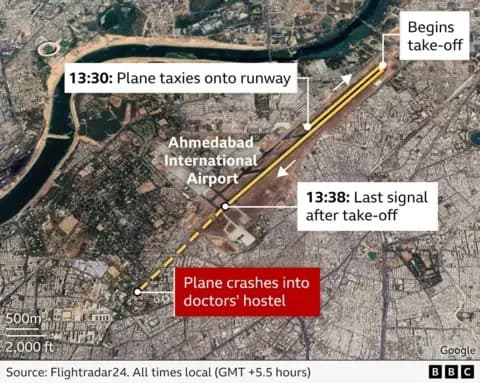
The emotional toll of aviation emergencies is often long-lasting, as evidenced by the experiences of families dealing with more severe outcomes in international aviation history. The struggle for accountability and proper victim identification following the June 2022 Air India crash near Ahmedabad serves as a somber case study in the complexities of disaster response. In that tragedy, which claimed 260 lives, families like that of Miten Patel have faced the trauma of misidentified remains and a lack of transparency from authorities, emphasizing the need for more stringent disaster management and communication protocols globally.
As aviation authorities in Ghana and worldwide continue to refine their safety standards, the focus remains on ensuring that both technical failures and passenger communications are handled with the utmost precision. The updated guidelines by organizations such as India’s National Disaster Management Authority (NDMA) point toward a future where emergency response and identification are more streamlined to protect the dignity of those involved. For the passengers of KLM Flight 590, the ordeal serves as a reminder of the persistent need for the industry to prioritize transparency and passenger welfare alongside technical safety.

