••
Ghana Legal and Political Landscape Shift as Ken Ofori-Atta Return Debates and Transnational Fraud Extraditions Intensify
•3 min read•10 sources
The legal and political landscape in Ghana is currently defined by complex extradition debates and high-profile international fraud cases. At the center of this discourse is the potential return of former Finance Minister Ken Ofori-Atta. Samuel Atta Akyea, legal counsel for the NPP's Ashanti Regional Chairman, has publicly advocated for a voluntary return rather than forced extradition, urging authorities to respect Ofori-Atta’s rights. This follows a United States court ruling that questioned the evidence provided by Ghanaian authorities, allowing Ofori-Atta to secure lawful permanent residence in the U.S. Experts such as Professor Kwadwo Appiagyei Atua of the University of Ghana argue that the challenges in securing the former minister's return should not be blamed solely on the Office of the Special Prosecutor (OSP), but should be viewed as a shared responsibility involving the Attorney-General’s Office and various security agencies.
Legal experts remain divided on the jurisdictional implications of the U.S. court's involvement in Ghanaian political matters. Former Member of Parliament and lawyer Inusah Fuseini has challenged the U.S. immigration judge's authority, asserting that the judge overstepped by making findings on potential criminal activities in Ghana. Fuseini argues that U.S. courts lack the jurisdiction to adjudicate Ghanaian criminal cases unless specifically empowered by international agreements. Meanwhile, Professor Atua noted that Ofori-Atta’s departure from Ghana was initially for medical reasons, and his subsequent immigration status in the U.S. complicates the narrative of him being a fugitive, placing further pressure on Ghanaian institutions to present a more cohesive legal front.
While the Ofori-Atta case faces diplomatic hurdles, Ghanaian courts are showing a firm commitment to international cooperation in other criminal matters. The Gbese District Court recently ordered the extradition of Daniel Yusif to the United States. Yusif is an alleged accomplice of Abu Trica in a transnational $8 million romance fraud and money laundering scheme that targeted victims between 2016 and 2023. This ruling follows the extradition of Trica himself and highlights an intensified collaboration between Ghanaian and U.S. law enforcement to dismantle cybercrime networks. Yusif has been granted a 15-day window to appeal the committal order before his transfer to U.S. custody is finalized.
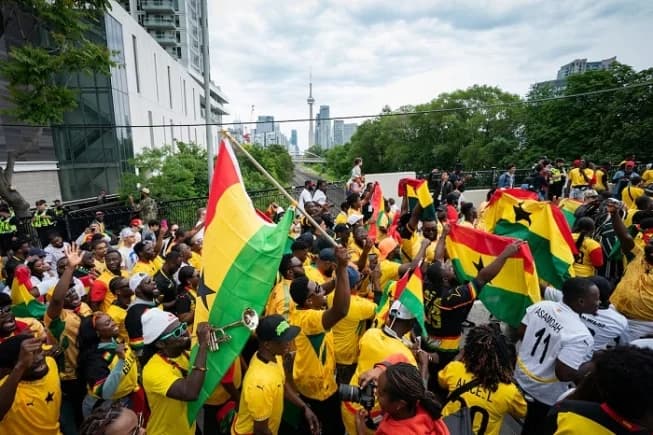
These domestic legal developments are unfolding against a backdrop of stricter international immigration policies and rising asylum claims. The United States, through Secretary of State Marco Rubio, has announced a new global policy under the Immigration and Nationality Act that could see family members of cyber-scammers and those involved in 'sextortion' refused visas. Simultaneously, reports from Canada indicate that 25 Ghanaians are among 175 visitors who have claimed asylum while attending the 2026 FIFA World Cup, reflecting a broader trend of Ghanaians seeking residency abroad during major international events. These shifts suggest that the intersection of crime, politics, and migration will continue to be a primary focus for the administration of President John Mahama.
Despite these challenges, there remains a sense of optimism within the government regarding the capacity of local institutions. Deputy Attorney General Dr. Justice Srem-Sai recently commended the Ghana Police Service, the Criminal Investigations Department (CID), and the Economic and Organized Crime Office (EOCO) for their dedication to gathering evidence for successful prosecutions. Dr. Srem-Sai emphasized that the country’s future is secured by the robust support these agencies provide to the Attorney-General's Office. As Ghana navigates these high-stakes legal battles, the effectiveness of its security and investigative bodies will be critical in maintaining both domestic order and international credibility.
This story touches markets covered on Anansi Intelligence ↗.
Related topic
NPP (New Patriotic Party): Latest News →More from politics
Continue exploring similar stories


