••
Duane 'Keffe D' Davis Faces Trial as Alleged Mastermind in 1996 Tupac Shakur Murder
•3 min read•4 sources
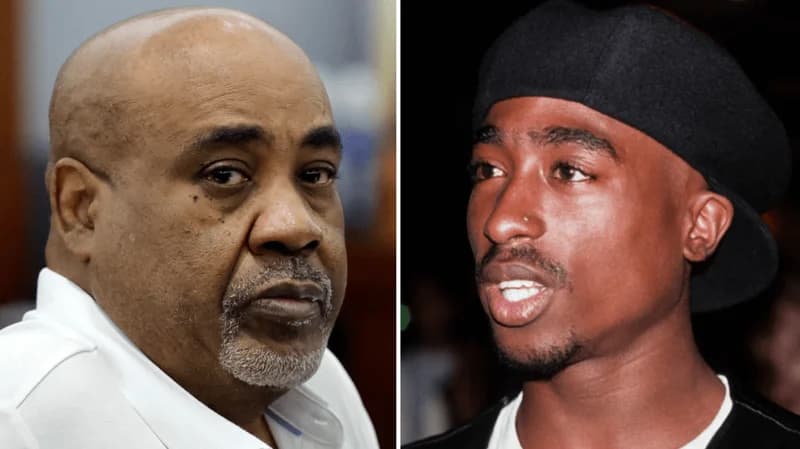
Decades after the drive-by shooting that silenced one of hip-hop's most influential voices, the trial of Duane 'Keffe D' Davis began with prosecutors painting him as the tactical mastermind behind Tupac Shakur's 1996 murder. On the opening day of the proceedings, the court heard how Davis, now 63, allegedly orchestrated the fatal attack in Las Vegas as an act of retaliation. While Davis is not accused of pulling the trigger himself, the prosecution contends that his leadership and planning were the catalysts for the violence that ended the rapper's life at the age of 25. Davis has pleaded not guilty to the charges, maintaining that the prosecution's narrative is a work of fiction.
The prosecution's case centers on a specific motive: revenge for a physical altercation that occurred earlier on the night of September 7, 1996. According to investigators, Shakur and his associates had been involved in a fight with Davis's nephew, Orlando Anderson, at the MGM Grand hotel. In response, Davis allegedly secured a firearm and organized a group to track down the rapper. This narrative is set against the backdrop of the intense East Coast vs. West Coast rap rivalry and the pervasive gang culture of the 1990s, which witnesses testified created a 'code of silence' that hampered the original investigation for nearly thirty years.
A significant portion of the evidence against Davis stems from his own public statements, including a 2019 memoir and various media interviews where he discussed his involvement in the shooting. Prosecutors argue these accounts are admissions of guilt, while the defense characterizes them as 'fictionalized' storytelling intended for profit rather than factual confession. During the first day of testimony, the jury also heard from a former police officer who recalled the chaos of the crime scene and Shakur's refusal to identify his assailants, a detail that underscores the deep-seated distrust between the rap community and the police at the time.
In response to the allegations, Davis's defense team argues that the prosecution’s case is built on a 'flawed investigation' and lacks physical evidence linking their client to the crime after so much time has passed. They contend that the state is over-relying on decades-old hearsay and unreliable narratives. As the trial progresses, it serves as a long-awaited legal reckoning for a case that has remained a fixture of pop culture mystery. The outcome of the proceedings will determine whether law enforcement has finally brought justice to one of the music industry's most notorious cold cases.
This story touches markets covered on Anansi Intelligence ↗.
More from entertainment
Continue exploring similar stories


