••
GHS Director-General Dr. Samuel Kaba Akoriyea Urges Public Hygiene to Prevent Cholera Following Accra Floods
•2 min read•6 sources
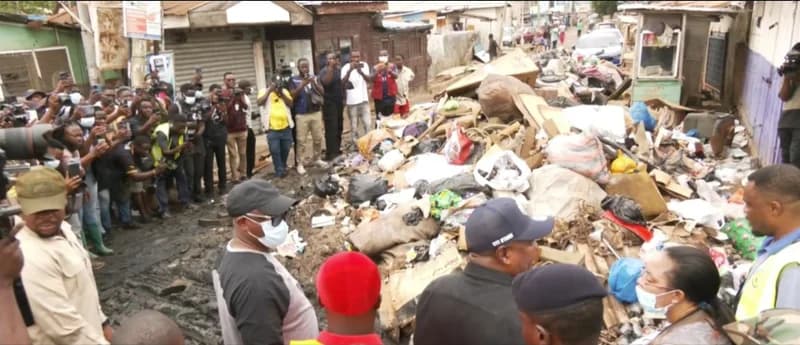
The Ghana Health Service (GHS) has officially confirmed that there is currently no cholera outbreak in the country following recent flooding incidents in Accra, though health officials are maintaining a high state of alert. Director-General of the GHS, Dr. Samuel Kaba Akoriyea, has emphasized that while no cases have been reported as of late 2023, the risk of waterborne diseases remains significant due to sanitation challenges exacerbated by heavy rains. To mitigate these risks, the service has launched intensive preventive measures, including disinfection exercises and public health awareness campaigns across the capital.
As part of these proactive efforts, health authorities have initiated disinfection and fumigation exercises in key public spaces and markets, specifically targeting the Tema Station Market and the Adabraka Polyclinic. These activities are part of a broader national clean-up initiative designed to reduce the health risks associated with flood-prone environments. Dr. Akoriyea highlighted that the success of these government-led interventions depends heavily on the commitment of local communities to maintain high standards of hygiene and cooperate with sanitation officers during the clean-up process.
In the Korle Klottey Municipality, local officials are currently working to manage large volumes of flood-related waste and debris that have accumulated in public areas. The municipality has requested patience from residents as waste management teams navigate the logistical challenges of clearing the affected sites. Dr. Akoriyea reiterated that community involvement is non-negotiable, noting that the environmental sanitation situation in markets and public areas must be addressed urgently to prevent the breeding of disease-carrying pathogens in the wake of the floods.
Looking forward, the GHS warned that the economic and human cost of treating a potential cholera outbreak would be significantly higher than the investment required for current preventive measures. Dr. Akoriyea urged Ghanaians to remain vigilant and prioritize personal hygiene, particularly in areas where drainage and waste management are compromised. By sustaining these nationwide clean-up efforts and adhering to public health guidelines, the GHS aims to protect the population from waterborne illnesses and ensure that the current absence of cholera cases remains the status quo throughout the remainder of the rainy season.
This story touches markets covered on Anansi Intelligence ↗.
More from health
Continue exploring similar stories


