••
Ghana’s Governance Reforms Intensify: Chief of Staff Pushes Decentralisation as Citizens Demand Constitutional Roadmap and Institutional Accountability
•3 min read•38 sources
The Government of Ghana has reaffirmed its commitment to a transformative governance agenda, centered on the implementation of the National Decentralisation Policy and Strategic Framework (NDPS) 2026–2030. During a high-level engagement at Jubilee House on June 10, 2026, Chief of Staff Julius Debrah met with development partners to outline priorities for the next four years. A cornerstone of the reform is the direct transfer of over 80% of the District Assemblies Common Fund to local authorities to bolster fiscal autonomy. The policy also signals a significant shift toward political decentralisation, advocating for the democratic selection of local leaders to enhance accountability and public service delivery. Development partners, including the Swiss Deputy Ambassador, have pledged continued support for these efforts, emphasizing the need for coordinated action to ensure the reforms yield tangible benefits for all citizens.
While the government focuses on local governance, the Steering Committee of the Citizens’ Platform on Constitutional Reform is exerting pressure on President John Mahama to publish a clear roadmap for amending the 1992 Constitution. Following their meeting on June 8, 2026, the group noted that while the Constitution Review Committee submitted its final report in January, the lack of a public implementation timeline risks stalling progress before the next electoral cycle. Parallel to this, a coalition of 14 Civil Society Organisations (CSOs), including CDD-Ghana and Transparency International, has urged the Supreme Court to uphold the constitutionality of the Office of the Special Prosecutor (OSP). As the court prepares to rule on the case of Adamtey v. Attorney-General on July 29, 2026, the CSOs argue that the OSP remains a vital, legally-mandated pillar in Ghana’s fight against systemic corruption.
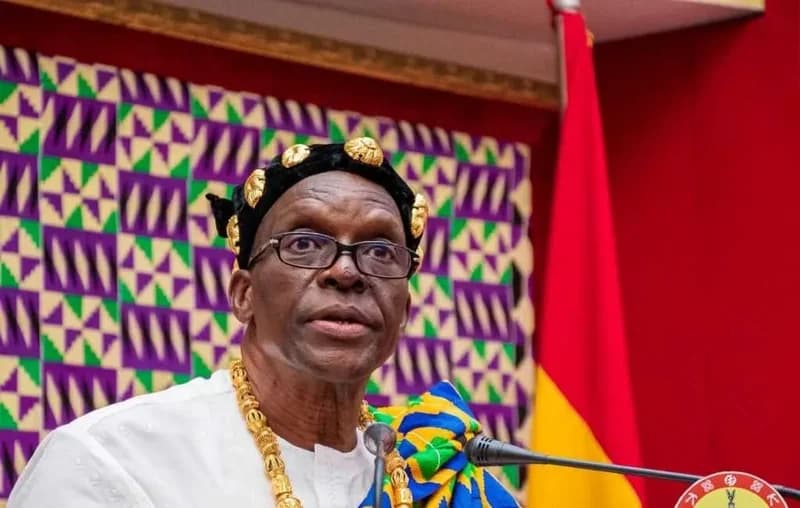
The drive for reform is underscored by a recent University of Ghana study which reveals a complex public sentiment regarding the nation's democratic health. Although 52.3% of respondents expressed satisfaction with democracy over military rule, a staggering 85.2% believe the current system is failing to address economic hardship and corruption. This discontent is reflected in the 34.5% of respondents who indicated openness to military intervention under specific conditions. Addressing these concerns, Speaker of Parliament Alban Bagbin recently reaffirmed the independence of the legislature, asserting that he is accountable to the public and Members of Parliament rather than the Presidency. Bagbin also advocated for judicial reforms that would allow judicial officers more autonomy in leadership selection, mirroring the democratic processes within Parliament.
To ensure these systemic changes reach the next generation, Minority Leader Alexander Afenyo-Markin has launched the 'Parliament and You' initiative. Partnering with Junior Graphic, the program aims to educate 50,000 children aged 10 to 17 on parliamentary democracy to foster a culture of responsible citizenship. Complementing these civic efforts, the Head of Civil Service, Dr. Evans Aggrey-Darkoh, emphasized that robust records management is the 'backbone' of transparency and must be prioritized by all public institutions. As Ghana moves toward modernizing its governance—including proposals to transform the Meteorological Agency into an Authority with stronger regulatory powers—the success of these initiatives will depend on maintaining a balance between executive policy, judicial independence, and active citizen engagement.
This story touches markets covered on Anansi Intelligence ↗.
Related topic
John Mahama: Latest News & Updates →More from politics
Continue exploring similar stories


