••
Former GRIDCo CEO Jonathan Amoako-Baah Advocates for Enhanced HESS Legislation to Curb Workplace Injuries
•2 min read•4 sources
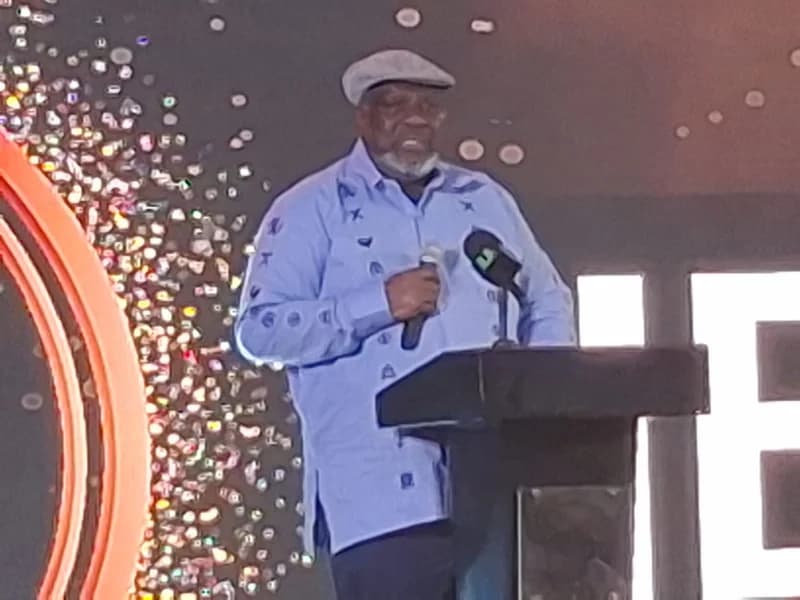
Mr. Jonathan Amoako-Baah, the former Chief Executive Officer of the Ghana Grid Company (GRIDCo), has issued a strong call for more robust health, environment, safety, and security (HESS) legislation to address the persistent issue of workplace injuries and preventable deaths in Ghana. Speaking at the eighth edition of the HESS Awards held in Accra, Mr. Amoako-Baah emphasized that despite significant technological and operational advancements within the extractive and energy sectors, industrial accidents continue to pose a serious threat to the Ghanaian workforce. He argued that current legal frameworks require strengthening to ensure that safety standards keep pace with industrial growth.
During his address, the former CEO urged corporate entities to re-evaluate their operational priorities, stressing that the well-being of employees must take precedence over profit margins. He noted that while many companies have adopted basic safety protocols, the frequency of industrial accidents suggests a need for more stringent legal mandates that compel organizations to invest heavily in modern safety infrastructure. Mr. Amoako-Baah highlighted that investing in worker safety is not just a moral obligation but a strategic necessity that ultimately protects the long-term viability of the business itself.
The HESS Awards served as a platform to celebrate organizations that have demonstrated exceptional commitment to safety standards over the past year. Notable winners included Fidelity Bank, which was recognized for Best Customer and Safety Practices, and AngloGold Ashanti, which received the award for Best Health and Safety Campaigns. Other distinguished companies, such as SONAPACK Ghana and Vivo Energy, were also honored for their excellence in HESS compliance, showcasing that high safety standards are achievable across diverse sectors including finance, manufacturing, and energy.
In his concluding remarks, Mr. Amoako-Baah underscored the importance of fostering a proactive safety culture through collaboration between employers and employees. The event's organizers echoed this sentiment, advocating for a shift in perception where workplace safety is viewed as a shared cultural value rather than a mere compliance requirement. By strengthening HESS legislation and encouraging mutual accountability, stakeholders believe Ghana can significantly reduce industrial fatalities and establish a higher standard for occupational health and safety across the sub-region.
This story touches markets covered on Anansi Intelligence ↗.
More from health
Continue exploring similar stories


