••
John Jinapor announces 200MW battery and solar power procurement
•2 min read•1 source
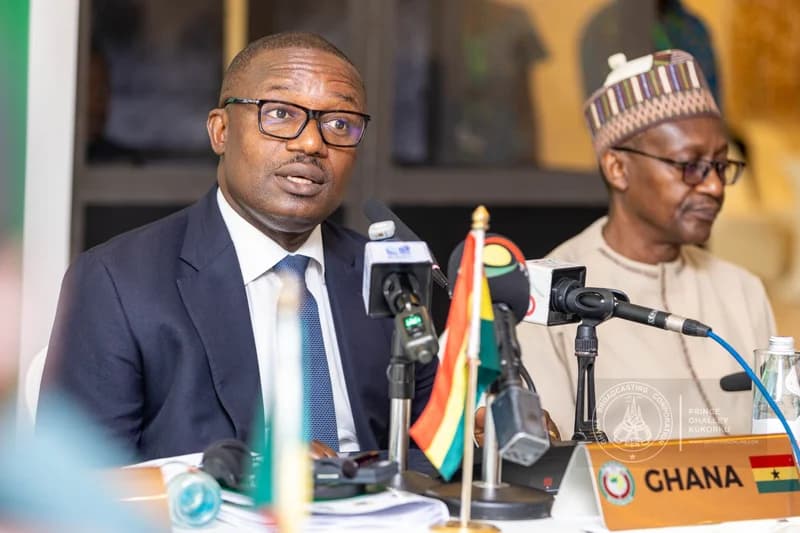
Energy Minister Dr. John Abdulai Jinapor has announced that Ghana is procuring a 200-megawatt (MW) Battery Energy Storage System (BESS) and a 200-megawatt-peak (MWp) solar photovoltaic facility. These projects are intended to significantly improve the stability of the national electricity supply and facilitate the seamless integration of renewable energy sources into the grid. The announcement was made during a high-level meeting of ECOWAS Ministers in Charge of Energy, highlighting Ghana’s commitment to modernising its energy infrastructure. The integrated project features a solar facility specifically designed to charge the battery storage system, which boasts an impressive total capacity of over 1,500 megawatt-hours (MWh). By storing excess solar power generated during the day, the BESS will allow for more consistent power distribution, particularly during peak demand periods or when solar generation is unavailable. This dual-component approach addresses one of the primary challenges of renewable energy—its intermittent nature—ensuring that clean energy can be reliably dispatched to the national grid. During the ECOWAS gathering, Dr. Jinapor emphasised that these advancements are not only vital for Ghana’s domestic energy security but also for the broader West African region. He noted that the systems would support the regional electricity market by providing a more resilient and flexible power supply. The Minister urged fellow ECOWAS member states to prioritise regulatory certainty and deepen cross-border collaboration to foster a more integrated and stable electricity market across West Africa. The procurement of these systems marks a significant step in the government's strategy to diversify the energy mix and reduce reliance on traditional thermal power sources. By investing in large-scale storage and solar capacity, Ghana aims to lower carbon emissions while meeting the growing industrial and residential demand for electricity. This move aligns with broader regional goals of energy transition and resource sharing, positioning Ghana as a leader in sustainable energy development within the ECOWAS sub-region.

