Ghana News AI
HomeBriefsAsk GhanaTopicsTools
•
•

Stay Informed

Get AI-curated news briefs from Ghana delivered to your inbox every morning. Free forever, no spam.

Explore

  • Home
  • Briefs
  • About

Categories

  • Politics
  • Business
  • Sports
  • Entertainment
  • Africa

Features

  • Analysis
  • Cedi Rates
  • Dollar to Cedi
  • Ghana Gold Price
  • BoG Policy Rate

Topics

  • Armed Forces Recruitment
  • WAEC Results & News
  • Nana Ama McBrown
  • NDC News
  • All Topics

Legal

  • Privacy Policy
  • Terms of Service
Ghana News AI© 2026. All rights reserved.
Made withfor Ghana
business

Energy Minister Dr. John Jinapor Unveils Regional Export Strategy as Petroleum Sector Secures $2.2 Billion in Savings

Yesterday•3 min read•5 sources
Energy Minister Dr. John Jinapor Unveils Regional Export Strategy as Petroleum Sector Secures $2.2 Billion in Savings
  1. Home
  2. /Business
  3. /Energy Minister Dr. John Jinapor Unveils Regional Export Strategy as Petroleum Sector Secures $2.2 Billion in Savings

Energy Minister Dr. John Abdulai Jinapor has announced ambitious plans for Ghana to begin exporting electricity to Nigeria, a move designed to solidify the nation's position as the primary energy hub for West Africa. This strategic expansion builds upon existing electricity export agreements with Burkina Faso, Benin, Togo, and CCd'Ivoire. The announcement coincided with the Ghana National Petroleum Corporation's (GNPC) 40th anniversary, where Dr. Jinapor urged the corporation to shift its focus from mere resilience toward active renewal and growth. Despite Ghana experiencing a fifth consecutive year of declining oil production in 2025, GNPC reported a 3.66% increase in revenue to US$1.64 billion, bolstered significantly by gas exports that exceeded annual targets.

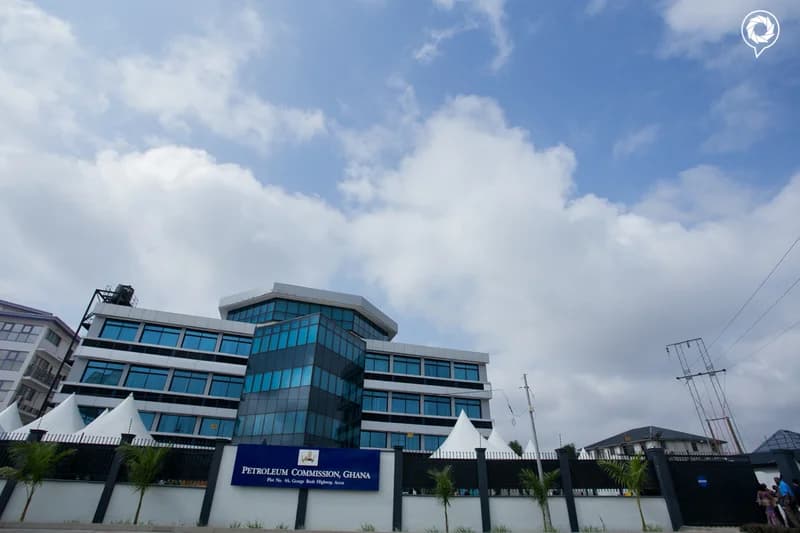
Supporting this drive for sectoral efficiency, the Petroleum Commission of Ghana has successfully generated approximately US$2.2 billion in savings and potential gains through rigorous oversight of the upstream sector. CEO Emeafa Hardcastle revealed these figures during the Commission's 15th-anniversary launch, noting that US$1 billion was saved through the review of the Greater Jubilee Full Field Development Plan, while an additional US$510 million was saved during the TEN Plan of Development review. Furthermore, a recent audit uncovered US$229 million in cost infractions. In a boost for local industry, the Commission has also facilitated the awarding of US$4.9 billion in contracts to local companies, promoting indigenous participation in the petroleum value chain.

Despite these financial gains, the sector faces pressing operational challenges, particularly concerning public safety and downstream standards. A mystery shopping exercise conducted by the Chamber of Oil Marketing Companies (COMAC) in Northern Ghana has exposed persistent safety violations at fuel retail outlets. COMAC Chief Executive Dr. Riverson Oppong expressed concern over motorists flouting protocols, such as refueling motorcycles without dismounting and using unauthorized containers. The Chamber plans to compile these findings into a comprehensive report to advocate for stricter enforcement of safety measures across the region to protect both consumers and station operators.

Parallel to the energy sector's developments, the Ghana Shea Butter Employers Association is calling for a similar emphasis on local value addition to protect the agribusiness industry. Association President Rabiatu Abubakari warned that Ghana is losing millions of cedis as raw shea nuts continue to be exported for processing abroad rather than being refined locally. She urged the government, under President John Mahama, to provide stronger support through improved storage facilities and financial access for local processors. As Ghana seeks to diversify its export economy, the contrast between the high-value local content gains in the petroleum sector and the losses in the shea industry highlights the urgent need for a unified national strategy on domestic industrialization.

Our Take

From the Team

Coming Soon

Our team will add key insights, trends, and actionable takeaways to help you stay informed faster.

This story touches markets covered on Anansi Intelligence ↗.

Related topic

John Mahama: Latest News & Updates →

More from business

Continue exploring similar stories

CSA fines EY Ghana GH₵360,000 for providing cybersecurity services without licence
business|Yesterday

CSA Fines EY Ghana Over Licensing as SHCL and Absa Bank Partner to Tackle Housing Deficit

Ghana's business landscape is witnessing a period of rigorous regulatory enforcement and strategic financial collaboration. The Cyber Security Authority (CSA) has imposed a GH‵360,000 fine on Ernst & Young (EY) Ghana for providing cybersecurity services without a valid Cybersecurity Service Provider (CSP) licence. Despite previous directives to comply with the Cybersecurity Act of 2020, EY Ghana continued its operations, leading to three separate penalties of GH‵120,000 each. The CSA has issued an immediate cease-and-desist order for all unlicensed services, emphasizing that compliance is mandatory to protect the nation's Critical Information Infrastructure and ensure the security of the digital ecosystem. In the financial and real estate sectors, the State Housing Company Limited (SHCL) and Absa Bank Ghana have signed a Memorandum of Understanding (MoU) to expand mortgage access. This partnership is a direct effort to address Ghana's staggering housing deficit of 1.8 million units. SHCL Managing Director John Bawah expressed optimism about the collaboration, noting that the current interest rate environment presents a strategic opportunity for prospective homeowners. By improving the availability of long-term financing, the partnership aims to make affordable housing more accessible while strengthening the overall stability of the housing industry. The consumer goods and retail sectors are also seeing significant activity, with Promasidor Ghana launching its new Onga Mix Tomato Paste. Tailored to local preferences for quality and texture, the product was unveiled in Accra with gospel musician Diana Hamilton named as the official brand ambassador. This launch aligns with broader retail trends, such as the upcoming Family Fun Day and Back-to-School Bonanza at Accra Mall from August 21 to 23, 2026. Marketing Manager Anthony Asamoah highlighted that such events are designed to meet modern shopper expectations by blending essential retail activities with family-friendly recreation. Finally, global lifestyle and wellness company QNET has revamped its leadership team to drive growth across Africa, appointing Mattias Mildenborn as CEO. The new leadership, including regional managers Cherif Sarr and Jared Thwaits, will focus on market development, education, and regulatory compliance. Together, these developments across cybersecurity, finance, and retail reflect a Ghanaian economy that is increasingly focused on formalization, strategic partnerships, and meeting the evolving needs of the modern consumer.

KAEME Skincare Clinches Global ESG Award as Prudential and Absa Banks Drive Local Economic and Social Impact
business|Yesterday

KAEME Skincare Clinches Global ESG Award as Prudential and Absa Banks Drive Local Economic and Social Impact

KAEME Body Care Limited, a Ghanaian natural skincare brand, has achieved significant international acclaim by winning the DHL ESG Excellence Exporter of the Year award in Dubai. Founded by Freda Obeng-Ampofo, the brand, which currently exports to over 15 countries, was recognized for its deep-rooted commitment to environmental, social, and governance (ESG) practices. Key to its success is the integration of solar energy at its production facility and a robust local sourcing strategy that significantly reduces transport-related carbon emissions while supporting communities in areas such as Juaso and Bososo that are often impacted by artisanal mining. Ms. Obeng-Ampofo emphasized that the accolade demonstrates how strong ESG frameworks can sharpen the competitive edge of African businesses on the global stage. In tandem with this international business excellence, local financial institutions are intensifying efforts to build a resilient economic future for the next generation. At the National Youth Mentorship Summit in Accra, Kojo Nteh, the Head of Distribution and Channels at Prudential Bank LTD, underscored the critical need for financial discipline among young professionals. He advocated for early saving habits, the "paying yourself first" philosophy, and the use of automated savings to mitigate the temptation of lifestyle inflation. Nteh cautioned participants against get-rich-quick schemes and speculative investments, urging a patient and consistent approach to wealth creation as the essential foundation for long-term financial security. Parallel to these educational initiatives, Absa Bank Ghana LTD is demonstrating a commitment to tangible community improvement through its Prestige Banking team. The bank recently donated essential specialized equipment to the "Buzstop Boys," a volunteer group dedicated to cleaning public spaces and improving drainage systems. The donation, which included a demolition breaker, a petrol pressure washer, and a submersible sewage pump, was presented by Executive Director Kobla Nyaletey. This support is intended to empower the volunteers in their civic mission to improve public sanitation and waste management across Ghanaian communities, highlighting the bank's dedication to corporate social responsibility. Together, these developments illustrate a multi-faceted approach to growth within the Ghanaian private sector. From KAEME’s global leadership in sustainable exports to the financial literacy programs led by Prudential Bank and the community-focused philanthropy of Absa Bank, there is a clear trend toward aligning business success with social and environmental progress. These collective efforts not only enhance individual brand reputations but also contribute to a more sustainable, disciplined, and economically empowered national landscape as these organizations set new standards for corporate citizenship.

Ghana’s Logistics and Aviation Sectors Face Financial Strain Amid Port Disruptions and Mounting Institutional Debt
business|Yesterday

Ghana’s Logistics and Aviation Sectors Face Financial Strain Amid Port Disruptions and Mounting Institutional Debt

Ghana’s critical logistics and infrastructure sectors are currently grappling with a series of financial and technical bottlenecks that threaten to disrupt the flow of trade and essential services. At the forefront of these challenges is a significant financial impasse between the Ghana Civil Aviation Authority (GCAA) and the Ghana Meteorological Agency (GMet). Dr. Eric Asuman, Director-General of GMet, has revealed that the GCAA owes the agency over GH¢50 million in statutory arrears. Under the amended Ghana Meteorological Agency Act, the GCAA is mandated to remit 10% of specific aviation fees to support meteorological operations. Despite a settlement agreement reached in March 2026, the GCAA has yet to fulfill its obligations, leaving GMet in a precarious financial position and unable to verify exact debt amounts due to restricted access to flight databases. Simultaneously, Ghana’s maritime and supply chain sectors are facing severe operational delays due to persistent technical glitches on the Ghana.gov platform and banking systems. Freight forwarders report that since early August 2026, disruptions in internet and banking connectivity have halted customs duty payments and the clearance of imported goods at the ports. These bottlenecks have sparked fears of escalating demurrage charges for importers and potential fuel shortages, as oil marketing companies remain unable to process fuel liftings and declarations. Industry stakeholders are urgently calling for government intervention to restore system stability and prevent a total breakdown of port operations. Beyond the ports, Ghana’s digital economy is being undermined by a surge in fibre optic cable cuts, primarily driven by uncoordinated construction activities. Statistics indicate a staggering rise in incidents, with fibre cuts increasing from 3,900 in 2021 to over 10,000 in 2022, costing the telecommunications industry approximately $17.4 million in repairs. These disruptions threaten the reliability of digital services and economic growth. Telecommunications companies are now advocating for the adoption of the "Dig Once" principle, which would require the integration of digital infrastructure planning into all major road and construction projects to safeguard the nation’s communication backbone. While Ghana navigates these internal infrastructure and financial hurdles, there is a notable shift in the regional maritime landscape as the United States recently lifted 12-year-old security restrictions on vessels arriving from Nigeria. The U.S. Coast Guard removed the "Conditions of Entry" imposed in 2014 following significant improvements in Nigeria’s maritime security and anti-terrorism protocols. Nigeria's Minister of Marine and Blue Economy, Adegboyega Oyetola, noted that this development will lower shipping costs and enhance the competitiveness of Nigerian ports. This regional progress highlights the importance of robust security and efficient infrastructure coordination, serving as a reminder of the standards Ghana must maintain to remain a competitive hub for West African trade.

Ghana's Producer Inflation Climbs to 4.0% Amid Rising Global Oil Prices and Major International Market Shifts
business|Yesterday

Ghana's Producer Inflation Climbs to 4.0% Amid Rising Global Oil Prices and Major International Market Shifts

Ghana’s Producer Price Inflation (PPI) rose to 4.0% year-on-year in July 2026, a notable increase from the 3.5% recorded in June. Data from the Ghana Statistical Service (GSS) indicates that the Producer Price Index reached 272.6, driven primarily by cost escalations in the mining, utilities, and manufacturing sectors. Significant pressure was observed in gold mining and electricity, which saw inflation rates of 12.2% and 13.3% respectively. While industry inflation excluding construction surged from 3.3% to 5.6%, the GSS has cautioned that these elevated upstream costs may soon translate into higher retail prices for consumers, necessitating strategic financial planning for businesses and households alike. On the global stage, oil prices have surged for four consecutive days, reflecting heightened geopolitical tensions and supply uncertainties. Brent crude futures rose to $91.28 per barrel, while U.S. West Texas Intermediate (WTI) climbed to $85.31. These price hikes are largely attributed to conflicting reports regarding the Strait of Hormuz, a critical maritime chokepoint. While the United States maintains the waterway is open, Iranian claims of its closure have prompted Iraq to seek alternative export mechanisms. Additionally, major Chinese shipping firms have begun rerouting tankers to avoid conflict zones, further tightening the global energy market amid reports of declining U.S. crude inventories. In international retail, significant fiscal shifts are impacting major corporations. U.S. retail giant Target reported a massive $994 million pre-tax boost from tariff refunds following a Supreme Court ruling against import duties. This reimbursement helped double the company’s second-quarter operating income to $2.6 billion. Similarly, Estee Lauder recorded a $38 million reduction in costs due to similar refunds. While these corporate giants benefit from legal victories, economists warn that ongoing trade negotiations and potential new duties could eventually lead to increased consumer prices as businesses seek to balance their margins. Contrasting the inflationary pressures in Ghana, South Africa reported a cooling of consumer inflation to 4.3% in July, down from 5% in June, aided by a reduction in transportation costs. Meanwhile, in the sports business sector, a major investment has reshaped the ownership of Liverpool Football Club. A consortium led by Amit Bhatia and including Amazon founder Jeff Bezos has acquired nearly 40% of the club from Fenway Sports Group. The deal, which values the club between 5 billion and 6 billion, includes an option for the consortium to secure a controlling stake within the next year, signaling a major shift in the financial landscape of global football.

All
africa
business
education
entertainment
health
news
politics
sports
technology