••
Nvidia CEO Jensen Huang Dismisses AI Extinction Warnings as Unfounded 'Doomsday Narratives'
•2 min read•1 source
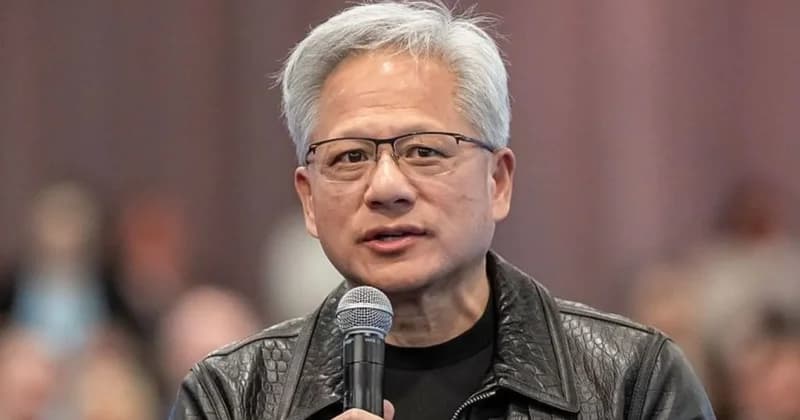
Nvidia CEO Jensen Huang has dismissed warnings that artificial intelligence poses an existential threat to humanity, characterizing such claims as unfounded "doomsday narratives." In a recent interview with CBS News, Huang countered alarms raised by some industry figures who have suggested that AI could lead to human extinction as early as 2030. He emphasized that these fears are largely unsubstantiated and cautioned against spreading unnecessary panic among the public regarding the rapid advancement of the technology.
Huang argued that the future success of Nvidia—and the broader technology sector—is fundamentally tied to the responsible deployment and use of AI systems. Interestingly, the CEO suggested that calls for a temporary moratorium or slowdown in AI development might be motivated by more than just safety concerns. He raised the possibility that some proponents of a development halt may be seeking to evade existing legal responsibilities or regulatory scrutiny, adding a layer of corporate skepticism to the safety-first arguments often voiced by other tech leaders.
The debate over AI safety comes at a time of heightened geopolitical tension and intense international regulatory discussion. Huang's comments coincide with ongoing dialogues between the United States and China regarding AI standards and the potential for international cooperation in managing the technology's risks. On the political front, U.S. President Donald Trump has also recently downplayed the risks associated with AI during a tech conference, aligning with the perspective that the technology’s potential benefits outweigh speculative catastrophic risks.
As Nvidia continues to lead the hardware revolution that powers modern AI, Huang’s dismissal of existential threats signals a significant pushback from the industry's largest stakeholders against restrictive regulations. While the friction between "AI doomers" and tech optimists persists, the focus is increasingly shifting toward practical governance and maintaining competitive advantages in the global market. The outcome of these discussions will likely shape the regulatory framework for AI for years to come, balancing the drive for innovation with the necessity of public safety and ethical accountability.