••
Jeff Bezos-Led Consortium Acquires Minority Stake in Liverpool FC Valued up to £6 Billion
•2 min read•1 source
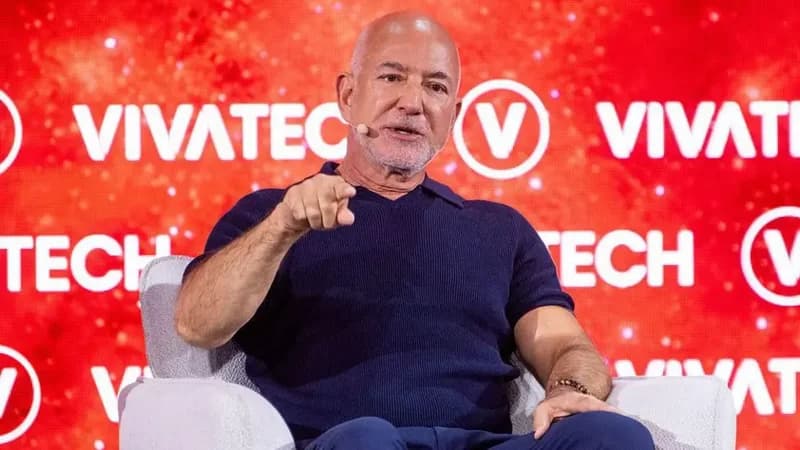
Fenway Sports Group (FSG), the owners of Liverpool Football Club, has reached an agreement to sell a minority stake of approximately one-third of the club to a high-profile consortium led by Amazon founder and billionaire Jeff Bezos. The consortium also includes Facebook co-founder Eduardo Saverin and prominent British-Indian businessman Amit Bhatia. This strategic investment values the Premier League giants between £5 billion and £6 billion, marking a significant financial milestone in the club's history. While the transaction introduces new global business titans to Anfield, FSG will retain majority ownership and continue to oversee the club’s primary operations.
This acquisition represents Jeff Bezos' first venture into professional sports ownership, signaling a new chapter for the tech mogul. Despite the massive valuation and the capital influx, the club has signaled that there will be no immediate impact on Liverpool's player transfer budgets. Instead, the partnership is designed to foster long-term commercial growth and infrastructure development. The deal comes at a time of peak financial performance for the Reds; the club recently reported record revenues of £703 million for the 2024-25 financial year, officially becoming the top-earning club in the English Premier League.
However, the news has sparked a wave of cautious debate among the club's global fanbase. Many supporters have raised concerns regarding the integrity of the consortium members and the potential dilution of Liverpool’s heritage and community-centric values. There is particular scrutiny regarding Amazon's historical labor practices and how such associations align with the social identity of the club. Fans are calling for greater transparency and proactive engagement from the ownership to ensure that the club's identity remains protected amidst this influx of multi-billionaire capital.
Looking forward, the transaction provides the Bezos-led consortium with a foothold that could allow for increased investment or a potential majority buyout in the future. For now, the focus shifts to how the collaboration between FSG and the new partners will enhance Liverpool's global reach and digital strategy. As the football landscape becomes increasingly dominated by ultra-wealthy investors, Liverpool’s new financial structure positions it to remain a dominant force, provided it can successfully navigate the tension between commercial expansion and its traditional sporting values.
This story touches markets covered on Anansi Intelligence ↗.
More from sports
Continue exploring similar stories

