••
Javier Aguirre Leads Mexico’s 2026 World Cup Preparation with a Focus on Intensity and Resilience
•2 min read•3 sources
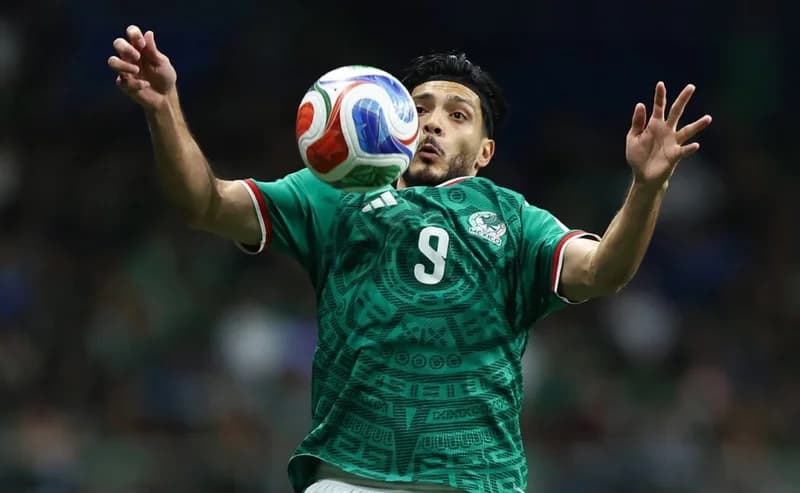
Mexico is gearing up for the 2026 FIFA World Cup with a unique blend of anticipation and intense scrutiny as they prepare to co-host the tournament alongside the United States and Canada. Under the leadership of manager Javier Aguirre, "El Tri" is undergoing a tactical transformation designed to navigate the immense pressure of playing on home soil. Eschewing purely aesthetic football for a more pragmatic approach, Aguirre is prioritizing intensity and rapid transitions to ensure the team is battle-hardened by the time the opening whistle blows at the iconic Estadio Azteca. This shift in philosophy aims to build a team that can withstand the rigors of the world’s biggest stage while managing the weight of national expectation.
Central to Aguirre’s vision is a roster that balances veteran resilience with emerging talent. Fulham striker Raúl Jiménez remains the emotional and technical heartbeat of the squad, symbolizing perseverance following his recovery from career-threatening injuries. He is supported by essential figures like Edson Álvarez and the "unsung hero" Erik Lira, whose work in the midfield provides the necessary stability for Aguirre’s preferred 4-3-3 system. Simultaneously, the inclusion of rising stars such as Armando González and Gilberto Mora suggests a forward-looking strategy aimed at injecting fresh energy into a side that must perform under a global spotlight. The proposed starting lineup, featuring the likes of Raúl Rangel and César Montes, reflects a commitment to defensive solidity and quick counter-attacking play.
However, the path to 2026 presents significant structural and psychological hurdles. By virtue of being co-hosts, Mexico avoids the rigors of a traditional qualifying campaign—a status that offers stability but risks a lack of competitive rhythm. To counter this, the coaching staff is utilizing high-intensity friendlies and regional competitions to foster character and cohesion. The relationship with the Mexican fanbase remains a double-edged sword; while the atmosphere at home venues is expected to be electric, the high expectations of a demanding public could quickly turn into a source of debilitating pressure if results falter. Ultimately, Mexico's success in 2026 will depend on their ability to turn this home-field advantage into a catalyst for performance rather than a burden.
This story touches markets covered on Anansi Intelligence ↗.
More from sports
Continue exploring similar stories


