••
Ivan Quashigah to Lead 2026 Blackstar Film Festival Jury as Experts Urge Structural Reforms in Ghana's Movie Industry
•3 min read•4 sources
The Ghanaian film industry is witnessing a pivotal moment of self-reflection and international positioning as it prepares for the 2026 Blackstar International Film Festival (BIFF). A newly unveiled jury of distinguished creative professionals has been tasked with evaluating excellence in African cinema, signaling a commitment to high standards and authentic storytelling. This push for artistic recognition coincides with growing calls from industry veterans for deep-seated structural reforms to ensure that the creative output translates into a sustainable economic ecosystem for local filmmakers.
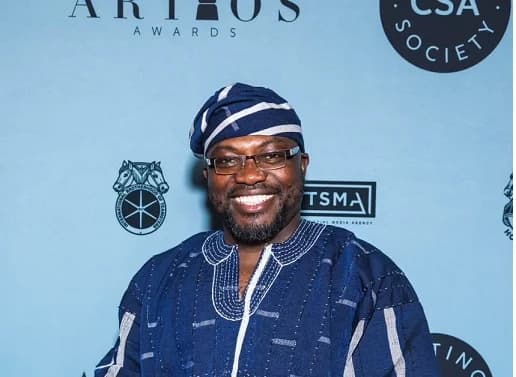
Leading the 2026 BIFF jury is Ivan Quashigah, a veteran in advertising and film production, who will oversee a panel of seasoned experts. The jury includes award-winning director William Kojo Agbeti, producer Anny Araba Sedufia, filmmaker Jumic Emma Anderson, and Nana Kofi Asihene. Collectively, these professionals bring decades of expertise in cinematography, directing, and creative entrepreneurship. Their mission is to elevate the profile of African stories on the global stage, ensuring that Ghanaian and continental productions meet the rigorous demands of international audiences while maintaining their unique cultural integrity.
However, the artistic success represented by the festival jury is being met with a sobering reality check regarding the industry's business foundations. Award-winning casting director Mawuko Kuadzi recently highlighted that critical roles, such as casting, remain undervalued within the Ghanaian landscape. Kuadzi argues that casting is a strategic and creative pillar that significantly impacts a film's ultimate success, yet it is often treated as an afterthought. He maintains that for the industry to reach its full potential, every stage of production—from casting to post-production—must be treated with professional and commercial seriousness, similar to the standards seen in more established markets.
Beyond individual roles, the broader health of the industry remains a point of concern. While the National Film Authority’s Film Development Fund has been welcomed as a positive step, experts like Kuadzi emphasize that capital alone cannot revive the sector. The industry faces significant hurdles, including inadequate cinema infrastructure, weak distribution networks, and the persistent threat of piracy. By drawing comparisons to the success of Nigeria’s Nollywood, industry stakeholders are advocating for innovative distribution methods and stronger collaboration to build a viable business model that supports filmmakers beyond the initial production phase.
As Ghana continues to refine its creative economy under the current administration, the dual focus on artistic excellence and structural reform will be crucial. The work of the BIFF jury represents the high aspirations of Ghanaian cinema, but the long-term viability of the industry will depend on whether policymakers and stakeholders can address the logistical and financial bottlenecks currently hindering growth. Achieving international success requires not just authentic narratives, but a robust framework that protects intellectual property and ensures that films reach their intended audiences profitably.
This story touches markets covered on Anansi Intelligence ↗.
More from entertainment
Continue exploring similar stories


