••
Middle East Tensions Escalate as Israel Launches Strikes on Iran Amid Stalled Nuclear Talks with U.S.
•3 min read•6 sources
The Middle East has entered a period of heightened volatility following a preemptive military strike by Israel against Iran and the breakdown of critical nuclear negotiations in Geneva. Israeli Defence Minister Israel Katz announced the "preventative attack" to eliminate immediate threats, prompting a state of emergency across Israel. This military escalation coincides with a stern warning from U.S. President Donald Trump, who expressed deep dissatisfaction with Tehran’s stance during recent diplomatic efforts. Trump stated he is "not thrilled" with the lack of progress toward a meaningful nuclear agreement, signaling a significant rift between the two nations after talks ended without a breakthrough.
On the ground, the situation remains fluid and dangerous. Witnesses in Tehran reported hearing significant explosions, which were subsequently acknowledged by Iranian state television. Simultaneously, air raid sirens echoed throughout Israel as the Israel Defence Forces (IDF) warned the public of potential retaliatory missile strikes. The IDF has since imposed strict limitations on public life, including a ban on educational activities and large gatherings, while urging citizens to remain near protected spaces. These actions signify a sharp departure from regional stability as both nations brace for further hostilities following the Israeli strike.
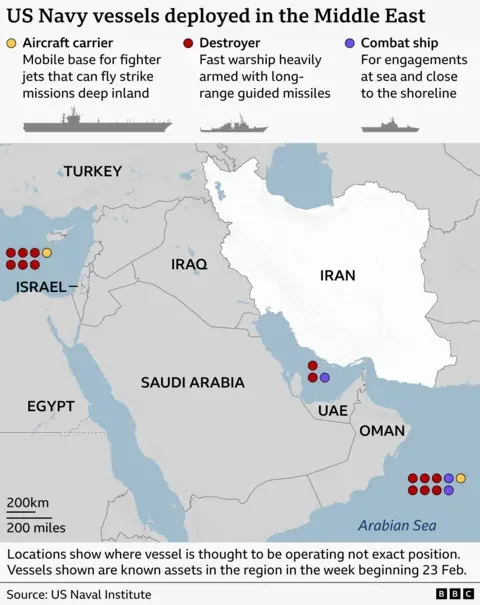
The diplomatic path appears increasingly narrow after the recent failure of the Geneva summit. While mediators from Oman reported minor progress, U.S. officials remain skeptical of Iran's commitment to curbing its nuclear ambitions. President Trump has emphasized that while he prefers a diplomatic solution, military intervention remains a viable option. In a show of force, the United States has mobilized significant military assets to the region, including aircraft carriers and thousands of additional troops. This buildup follows reports from the International Atomic Energy Agency (IAEA) expressing concerns over restricted access to Iranian enrichment sites, despite Tehran's claims of halting certain activities earlier this year.
The international community has reacted with urgency to the dual threat of military conflict and failed diplomacy. Countries including the United Kingdom, Canada, Germany, and China have updated their travel advisories, urging their citizens to evacuate Iran immediately. Further diplomatic maneuvers are expected as U.S. Secretary of State Marco Rubio prepares to visit Israel to discuss the security crisis and address Iran’s designation as a "state sponsor of wrongful detention." As the shadow of a broader regional conflict looms, the coming days will be critical in determining whether a return to the negotiating table is possible or if the cycle of preemptive strikes and military posturing will lead to an all-out war.
This story touches markets covered on Anansi Intelligence ↗.
More from politics
Continue exploring similar stories


