••
Middle East Tensions Escalate: Israeli Strikes in Lebanon, Hamas Peace Talks in Egypt, and Iran-Qatar Diplomatic Standoff
•3 min read•8 sources
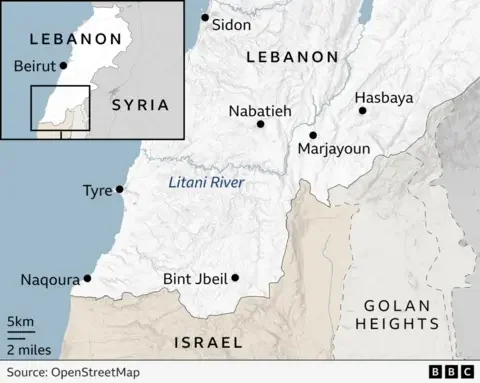
The Middle East is currently grappling with a sharp escalation in military hostilities and complex diplomatic maneuvering across several fronts. In Southern Lebanon, a deadly series of Israeli airstrikes has claimed eleven lives, significantly undermining a June ceasefire agreement intended to reduce regional violence. Simultaneously, high-level negotiations are underway in Egypt as a Hamas delegation discusses a U.S.-backed peace plan for Gaza, while a separate diplomatic row has erupted between Iran and Qatar over the alleged detention of Iranian fighter pilots.
The Israeli strikes in Southern Lebanon, specifically targeting a residence in the town of Ansar where displaced families were living, resulted in the deaths of eleven people, including three children and two women. The Israeli Defense Forces (IDF) defended the operation, stating it targeted a Hezbollah commander in response to an attack that had previously injured Israeli soldiers. However, Lebanese Prime Minister Nawaf Salam condemned the actions as a direct assault on civilians. Hezbollah has dismissed Israeli claims regarding the use of human shields, asserting that the strikes were a deliberate escalation. This incident marks one of the deadliest days since the ceasefire was established, casting a shadow over future negotiations originally slated for September.
In Egypt, the political landscape is shifting as a Hamas delegation, led by Khalil al-Hayya, met with Egyptian intelligence chief Hassan Rashad in El-Alamein. The discussions centered on a 15-point roadmap introduced by U.S. President Trump, which includes provisions for Hamas's disarmament and a structured withdrawal of forces. While Hamas has expressed a commitment to the framework, Israeli Prime Minister Benjamin Netanyahu has rejected the plan in its current form, insisting on the full disarmament of Hamas before any military withdrawal. These talks are viewed as a critical step toward addressing ceasefire violations and preparing for upcoming diplomatic engagements with U.S. envoy Jared Kushner.
Further complicating regional stability is a developing crisis between Iran and Qatar. Iranian Brigadier General Mohammad Bagherzadeh has formally requested the International Committee of the Red Cross (ICRC) to facilitate the release of three Iranian pilots allegedly held by Qatar for six months. The pilots were reportedly captured after their fighter jets were downed during the early stages of the U.S.-Iran war. While the remains of a fourth pilot have been returned to Iran, Qatar has firmly denied the capture of the surviving airmen. Qatari officials maintain that they acted in defense of their airspace and that the pilots failed to respond to contact attempts, leading to an ongoing diplomatic impasse as both nations present conflicting accounts of the event.
This story touches markets covered on Anansi Intelligence ↗.
More from politics
Continue exploring similar stories


