••
Middle East Tensions Escalate as Israeli Strikes Kill Lebanese General and U.S. Forces Down Iranian Drones
•2 min read•13 sources
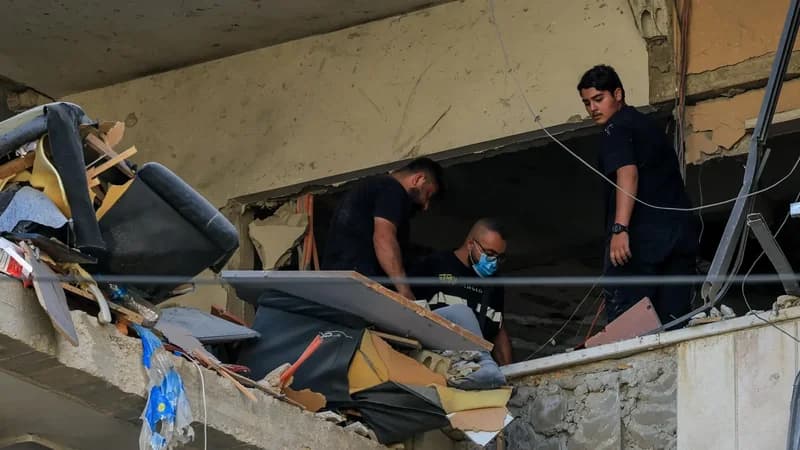
The Middle East is facing a severe strain on regional stability as a series of military escalations threaten to dismantle fragile ceasefires between key actors. In southern Lebanon, an Israeli airstrike near Nabatiyeh killed three military personnel, including Brigadier General Samer Sabra, an act the Lebanese government condemned as an unprovoked violation of sovereignty. Simultaneously, Israeli forces launched strikes on Hezbollah-linked apartment buildings in Beirut and the village of Saksakiyah, resulting in multiple civilian fatalities. These actions mark a significant escalation since a U.S.-brokered truce was established, with Prime Minister Benjamin Netanyahu citing Hezbollah fire on Israeli territory as the catalyst for the retaliation. The maritime corridor is equally volatile, as U.S. Central Command reported the downing of Iranian attack drones in the Strait of Hormuz. These confrontations highlight the precarious nature of the April truce between Washington and Tehran, as low-intensity conflict continues to disrupt international maritime traffic. In response to U.S. defensive measures, Iran’s Islamic Revolutionary Guard Corps (IRGC) reportedly launched missiles targeting regional allies. Amidst this military friction, the U.S. is considering shifts in economic policy, including the potential use of frozen Iranian assets to fund reconstruction in Gulf states, though diplomatic negotiations over nuclear enrichment and financial disputes remain largely deadlocked. The diplomatic landscape is further complicated by Hezbollah’s rejection of a new U.S.-backed ceasefire framework, which the group claims excludes their interests. Lebanese officials have expressed growing frustration with Iran’s influence, urging that their nation not be used as a "bargaining chip" in Tehran’s broader negotiations with the West. This geopolitical friction even extended into the arena of international sports; while the U.S. granted visas to Iran’s national soccer team for the upcoming World Cup, it denied entry to over a dozen support staff and officials linked to the IRGC, sparking accusations of discrimination from Iranian authorities. As the conflict intensifies, the humanitarian toll continues to rise, with over 3,500 deaths reported in Lebanon alone and more than one million people displaced. The ongoing violence and the collapse of parallel peace efforts in the Levant underscore a deepening security crisis that international mediators are struggling to contain. With military actions frequently outpacing diplomatic breakthroughs, the region remains on a knife-edge, awaiting a resolution to the fundamental disagreements that fuel this cycle of retaliation.
This story touches markets covered on Anansi Intelligence ↗.
More from politics
Continue exploring similar stories


