••
Ghanaian Academic Leaders Urge Professionals to Prioritize Societal Impact, Authenticity, and Public Accountability
•3 min read•3 sources
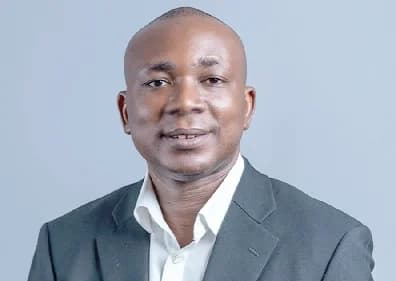
Academic experts across Ghana's leading tertiary institutions are calling for a fundamental shift in how research, media reporting, and creative arts are practiced to ensure greater societal relevance. At the University of Skills Training and Entrepreneurial Development (USTED), Pro Vice Chancellor Prof. Isaac Boateng emphasized that academic success must be measured by real-world transformation rather than the mere volume of publications in prestigious journals. During a specialized workshop, researchers were urged to break through academic paywalls and use accessible language to bridge the gap between scientific findings and public understanding. This initiative, supported by the West African Journalists for Environment, Science, Health and Agriculture (WAJESHA), aims to equip scholars with the tools to adapt their work for mainstream media platforms, ensuring that evidence-based solutions reach the communities that need them most.
In the realm of governance and transparency, Professor Godfred Alufar Bopkin of the University of Ghana Business School has challenged journalists to deepen their expertise in Public Financial Management (PFM). Speaking at a seminar organized by the German Government Development Corporation (GIZ) and the Media Foundation for West Africa, Prof. Bopkin underscored the critical role of the media in tracking public funds and analyzing fiscal decentralization. Dr. Tuergen Ehrke of GIZ added that enhancing the technical skills of journalists in budget analysis and expenditure reporting is essential for bolstering citizen participation and ensuring that public service delivery meets the needs of the population. The training participants committed to applying these fiscal oversight techniques to improve accountability across all levels of government.
Simultaneously, the creative sector is being urged to reclaim its cultural identity through authentic storytelling. Mr. David Nii Ammah, a film lecturer at UniMAC-IFT, recently challenged filmmakers at the Regal Film Festival and Awards (REFFA) to stop mimicking Hollywood tropes and instead find a unique Ghanaian voice. Ammah argued for a 'hybridization' of storytelling that reflects the specific societal contexts and cultural nuances of Ghana. By focusing on strategic market thinking and unapologetic cultural representation, he believes Ghanaian filmmakers can create more impactful narratives that resonate both locally and internationally without sacrificing their heritage.
These collective calls from the academic community highlight a growing movement to align professional training with national development goals. Whether through accessible scientific communication, rigorous financial oversight, or authentic cultural expression, the focus is shifting toward practical outcomes that benefit the Ghanaian public. As these institutions continue to lead masterclasses and workshops, the expectation is that the next generation of researchers, journalists, and artists will prioritize transparency and relevance, ultimately fostering a more informed and culturally confident society.
This story touches markets covered on Anansi Intelligence ↗.
More from education
Continue exploring similar stories


