••
Iran National Team Faces Logistics Crisis as 11 Staff Members Denied US Visas for World Cup
•2 min read•3 sources
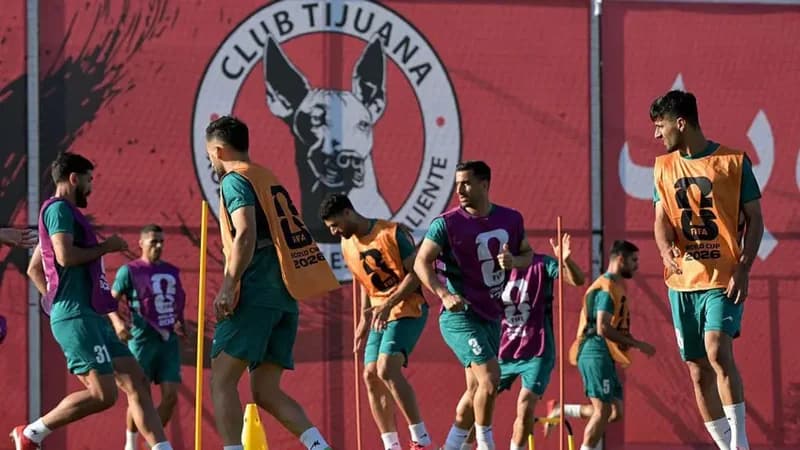
The Iranian national football team is grappling with significant logistical and administrative hurdles ahead of the upcoming World Cup, as 11 members of its delegation remain barred from entering the United States. While four staff members recently successfully appealed their initial U.S. visa rejections, the continued denial of entry for nearly a dozen others has forced the team to take the drastic step of moving its primary World Cup training base to Mexico. Among those still denied entry are key technical staff and high-ranking officials, including the president of the Football Federation of the Islamic Republic of Iran (FFIRI).
The visa controversy stems largely from U.S. entry restrictions regarding individuals with past or present affiliations with the Islamic Revolutionary Guard Corps (IRGC). This has created a complex situation for the Iranian delegation, as many citizens are conscripted into military service that can be linked to the organization. Despite these hurdles, the playing squad has been granted permission to travel, ensuring their participation in matches scheduled for Los Angeles and Seattle. However, the absence of tactical analysts and administrative leadership remains a significant concern for the team's preparation and on-field performance.
Adding to the tensions, U.S. authorities have reportedly revoked the ticket allocations previously set aside for Iranian supporters. This move has drawn sharp criticism from international sporting figures, most notably former FIFA president Sepp Blatter. Blatter condemned the situation, arguing that FIFA has an obligation to ensure unrestricted access for all qualified participants and their officials at global tournaments. He suggested that the failure to guarantee such access undermines the spirit of the competition and the principle of sports diplomacy.
As the tournament approaches, Iran is set to play its opening match against New Zealand in Los Angeles on June 15. The team continues to navigate a landscape of shifting logistics, moving between hosts in the U.S., Canada, and Mexico while operating with a depleted support staff. The situation highlights the ongoing friction between international political sanctions and the global nature of major sporting events, leaving the Iranian team to focus on their sporting objectives amidst a backdrop of diplomatic uncertainty.
This story touches markets covered on Anansi Intelligence ↗.
More from sports
Continue exploring similar stories


