••
Iranian National Team Faces Strict US Travel Restrictions Amid World Cup Campaign
•3 min read•6 sources
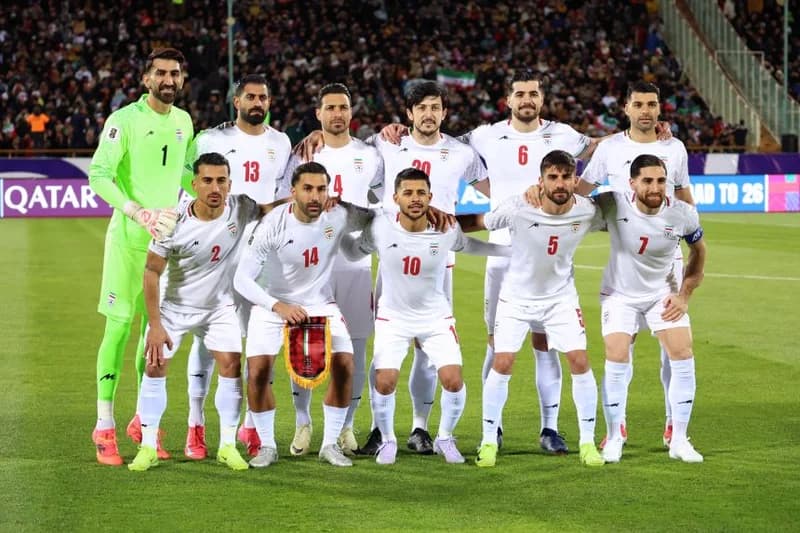
The Iranian national soccer team is navigating unprecedented logistical and diplomatic challenges during the World Cup, as U.S. officials have mandated that the squad depart the country immediately following each of their group stage matches. This policy, rooted in stringent national security protocols, has forced the team to maintain their training base in Tijuana, Mexico, rather than staying within U.S. borders between fixtures. The restrictions were most recently felt following Iran's draw against New Zealand in Los Angeles, where the players were required to travel back across the border shortly after the final whistle, a move that team officials claim severely undermines their physical recovery and preparation.
Coach Amir Ghalenoei has expressed significant frustration over these constraints, highlighting that the lack of a proper post-match recovery period puts his players at a competitive disadvantage. According to Andrew Giuliani, a representative of the White House FIFA Task Force, the policy dictates that the team may only enter the United States the day before a scheduled match and must exit by the evening of the game. Giuliani defended these measures as standard procedure for visiting entities with specific security profiles, particularly regarding concerns linked to the Islamic Revolutionary Guard Corps. Despite these hurdles, the team's operational capacity was slightly bolstered after visa complications for winger Mehdi Torabi were resolved, ensuring his availability for the tournament.
Beyond the logistical strain, the situation underscores the ongoing political tensions between Washington and Tehran, which have spilled over into the sporting arena. While the team has faced administrative hurdles—including denied entries for several media personnel and support staff—they have found a warm reception on the pitch. In Los Angeles, the Iranian-American community turned out in significant numbers to support the "Team Melli," providing a morale boost for the players. Captain Mehdi Taremi acknowledged the difficulty of the constant travel but emphasized the importance of the fans' energy as they look toward their remaining matches.
As the tournament progresses, the Iranian squad must now prepare for a high-stakes encounter against Belgium before their final group stage match against Egypt, scheduled for June 26 in Seattle. The logistical burden remains a central theme of their campaign, as they will once again be required to fly into Washington state and depart immediately after the game. While players have called for more assistance from FIFA, the international governing body has yet to shift the existing travel arrangements, leaving the team to manage the physical toll of a World Cup campaign defined as much by border crossings as by tactical performance.
This story touches markets covered on Anansi Intelligence ↗.
More from sports
Continue exploring similar stories


