••
Iran’s World Cup Squad Granted US Visas as Officials Face Security-Based Rejections
•2 min read•8 sources
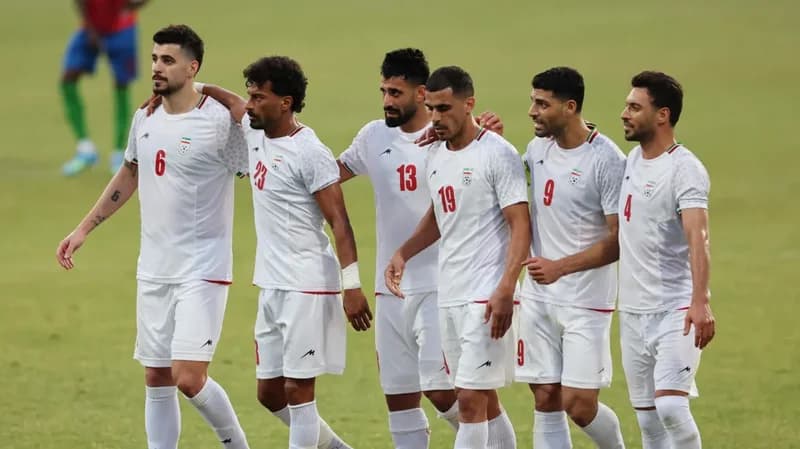
In a historic but contentious move, the United States has granted visas to the 26 members of Iran’s national soccer team ahead of the 2026 World Cup, marking a rare moment of engagement between the two adversarial nations. While the players have been cleared to compete, more than a dozen backroom staff and high-ranking officials from the Iranian football federation were denied entry. The decision, which comes as the U.S. prepares to co-host the tournament with Canada and Mexico, represents the first time in nearly a century that a host nation has admitted an athletic delegation from a country with which it is in such significant conflict.
The visa denials have centered on rigorous security vetting, with U.S. authorities citing concerns over potential ties between certain officials and the Islamic Revolutionary Guard Corps (IRGC). Among those blocked from entry is the head of the Iranian football federation and several administrative figures. U.S. officials emphasized that travel permissions were limited strictly to essential personnel and that measures were implemented to prevent any misuse of the visa system. This selective approval process has sparked a sharp diplomatic backlash, with Iranian officials labeling the exclusions as discriminatory and a "whitewash" of political interference in international sports.
In response to the logistical and political hurdles, the Iranian national team has relocated its primary training base from Turkey to Tijuana, Mexico. The squad plans to commute across the border into the United States for their scheduled matches, including their opening game against New Zealand and subsequent fixtures against Belgium and Egypt. This unique arrangement highlights the extraordinary measures required to facilitate Iran's participation while adhering to the strict entry and exit conditions imposed by U.S. security protocols.
The Iranian embassy has formally requested intervention from FIFA, the global governing body for soccer, urging a mediation of what they term "biased treatment." As the tournament set to begin on June 11 approaches, the situation underscores the delicate balance between international sporting fair play and the realities of global geopolitics. While the 2026 World Cup aims to be a celebration of global unity, the friction surrounding the Iranian delegation serves as a reminder of the security and diplomatic challenges inherent in hosting teams from nations in active conflict.
This story touches markets covered on Anansi Intelligence ↗.
More from sports
Continue exploring similar stories


