••
Hohoe MP Appeals for Aid as Floods Displace 3,000 While EPA Launches National Restoration Framework
•3 min read•8 sources
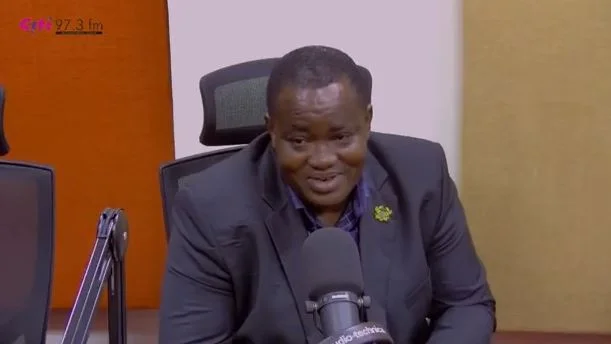
Severe flooding in the Hohoe Municipality of the Volta Region has left over 3,000 residents displaced and approximately 400 homes submerged following torrential rainfall and the subsequent overflow of the River Dayi. The Member of Parliament for Hohoe, Thomas Worlanyo Tsekpo, has issued an urgent appeal for assistance as the Hohoe Zongo community and surrounding areas face significant destruction of property and livelihoods. While no casualties have been reported, many displaced families have sought refuge in temporary shelters, including local classrooms, as floodwaters continue to rise in some sectors despite the cessation of rain. The National Disaster Management Organisation (NADMO) is currently on the ground assessing the damage and has warned residents against returning to affected buildings until they are certified safe.
This humanitarian crisis unfolds as the Ghana Meteorological Agency (GMet) warns of continued volatile weather across the country. GMet has forecasted further thunderstorms and rain for the coastal, middle, and northern sectors, specifically citing areas such as Yendi, Tamale, and Bolgatanga as high-risk zones. The agency also cautioned of rough sea conditions, urging the public to take necessary precautions. These persistent weather patterns highlight the increasing vulnerability of Ghanaian communities to environmental shocks, even as local assemblies find themselves overwhelmed by the scale of the current displacement in the Volta Region.
In response to long-term environmental degradation that often exacerbates such flooding, the Environmental Protection Authority (EPA) has launched a pilot framework aimed at restoring degraded lands and water bodies nationwide. Prof. Michael Ayamga-Adongo, Deputy Chief Executive Officer of the EPA, emphasized that traditional reclamation methods are no longer sufficient to address the severe damage caused by illegal mining. The new framework explores innovative financing through carbon markets to attract private investment for land recovery. This initiative seeks to establish a coordinated national strategy, ensuring that reclamation efforts are not used as a cover for further unregulated mining activities.
Complementing these restoration efforts, the National Anti-Illegal Mining Operations Secretariat (NAIMOS) has called for a unified, non-partisan approach to protecting Ghana’s natural resources. NAIMOS spokesperson Paa Kwesi Schandorf recently reported the arrest of 13 illegal miners in the Eastern Region, stressing that community cooperation is essential to sustaining gains made against 'galamsey.' As the government and environmental agencies work to repair the landscape, the immediate focus remains on providing relief to the thousands displaced in Hohoe and preparing other regions for the predicted thunderstorms and heavy rains in the coming days.


