••
Education Minister Haruna Iddrisu Reopens National Debate on Reintroducing Corporal Punishment to Curb School Indiscipline
•2 min read•6 sources
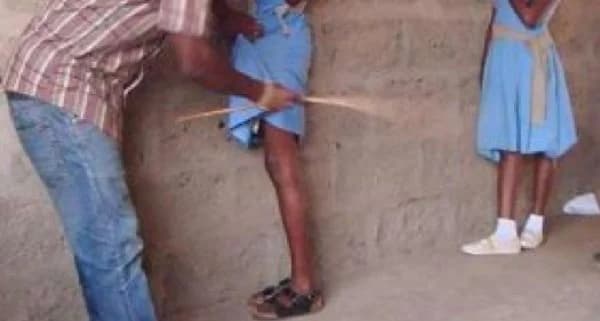
Education Minister Haruna Iddrisu has reignited a national conversation regarding the potential reintroduction of corporal punishment in Ghanaian schools. Speaking at the National Conference on Stemming the Growing Indiscipline in Schools held in Sunyani, the Minister highlighted the urgent need to address the rising tide of misconduct among students. The conference served as a critical platform for stakeholders to evaluate current disciplinary frameworks in the face of modern challenges that threaten the stability and safety of the educational environment.
The push for a review of disciplinary policies comes amid growing concerns over several emerging issues, including cyberbullying, drug abuse, and the increasing use of Artificial Intelligence (AI) for cheating. Participants at the Sunyani conference noted that the perceived erosion of teacher authority has contributed to a breakdown of order within the classroom. Supporters of corporal punishment argue that its removal has left educators without the necessary tools to maintain authority, suggesting that a controlled return to physical discipline could serve as an effective deterrent against serious student infractions.
However, the proposal has met significant resistance from child rights advocates and education experts who warn of the potential psychological and physical harm to students. Critics contend that corporal punishment can be detrimental to a child's overall well-being and development, advocating instead for the implementation of modern, non-physical disciplinary alternatives. Contributing to the discussion, Raphael Kofi Gapson, the General Secretary of the National Council of Parent-Teacher Associations (NCPTAs), shared parental perspectives during an appearance on GTV’s Breakfast Show. He indicated that while there is a shared national concern over student indiscipline, opinions remain sharply divided among parents regarding whether physical punishment is the appropriate or most effective solution.
As the debate continues to gain momentum, the Ministry of Education is expected to weigh these diverse perspectives against international standards and national child protection laws. The outcome of these deliberations will likely influence future policy directives on school management and student conduct under the current administration. For now, the focus remains on finding a sustainable balance between maintaining a disciplined, high-quality learning environment and ensuring the fundamental safety and emotional health of all Ghanaian students.
This story touches markets covered on Anansi Intelligence ↗.
More from education
Continue exploring similar stories


