••
Education Minister Haruna Iddrisu Announces National Policy to Integrate Ghanaian Sign Language into Schools
•2 min read•2 sources
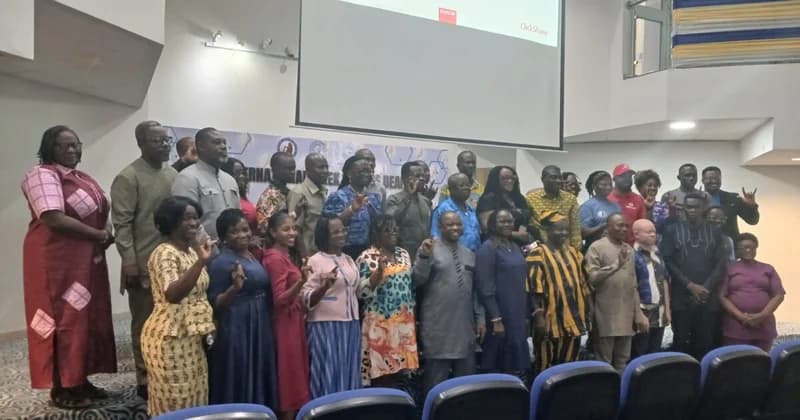
The Government of Ghana, through the Ministry of Education, is set to develop a comprehensive and sustainable policy for the formal integration of Ghanaian Sign Language (GSL) into the national education system. Education Minister Haruna Iddrisu announced the initiative, emphasizing that the policy will recognize GSL not merely as a communication tool for the hearing impaired, but as a vital language for self-expression, identity, and societal participation. This move follows strategic dialogues aimed at enhancing multilingual inclusive education and ensuring that deaf learners are provided with the necessary linguistic foundation to succeed academically.
Central to the new policy is the standardization and documentation of GSL, with a specific focus on developing technical and scientific terminology to facilitate advanced learning. The government plans to produce specialized teaching materials and establish clear sign language competencies within the teacher education framework. To ensure high standards of instruction, the initiative will include robust programs for training and certifying sign language teachers and interpreters, effectively embedding specialized support within the broader educational infrastructure.
Minister Iddrisu highlighted that the success of this policy should be measured by tangible learning outcomes and literacy levels rather than just student enrollment figures. By advocating for a bilingual approach that incorporates GSL alongside spoken and written languages, the government aims to improve the quality of education for deaf students. The policy also intends to implement accessible assessment practices, ensuring that examinations and evaluations are designed to accurately reflect the academic capabilities of students who communicate through sign language.
This development aligns Ghana’s educational policies with international legal commitments regarding the rights of persons with disabilities and inclusive education. By formalizing GSL within schools, the government seeks to remove barriers to participation and provide deaf learners with the tools necessary for lifelong learning. The initiative represents a significant step toward a more equitable education system that respects linguistic diversity and fosters the full potential of every Ghanaian student.


