••
Education Minister Haruna Iddrisu Moves to Curb School Indiscipline and Modernize Ghana's Curriculum
•3 min read•6 sources
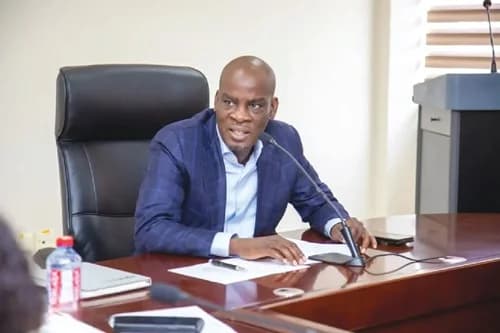
The Minister of Education, Haruna Iddrisu, has signaled a significant shift toward stricter discipline and modernized educational standards in Ghana's school system. Central to this effort is a proposed ban on teachers posting videos of students on social media platforms like TikTok, a move intended to address growing concerns over school indiscipline and the digital privacy of students. This proposal will be a key agenda item at a landmark two-day National Conference on Stemming Indiscipline in Senior High Schools (SHSs), scheduled for July 29-30, 2026, in Sunyani. The Minister emphasized that while digital tools offer educational benefits, the rising incidents of violence, misconduct, and unauthorized social media use require a coordinated policy response.
In preparation for the Sunyani conference, Minister Iddrisu engaged with the Conference of Heads of Assisted Secondary Schools (CHASS) to identify the root causes of recent violent incidents, including assaults and fatalities among students. The Ministry aims to gather a broad coalition of stakeholders—including education administrators, teachers, religious leaders, and traditional authorities—to develop a comprehensive policy paper. This framework will guide the implementation of values-based education and establish actionable interventions to restore academic excellence and safety across second-cycle institutions. The Minister underscored that maintaining a conducive learning environment is a collective responsibility that extends beyond the classroom to parents and community leaders.
Parallel to these discipline initiatives, the government is also focused on character development through the newly launched Malta-Ghana Ethics Education Partnership, also known as "Project Ethics." Initiated on July 9, 2026, in Accra, this collaboration with StepUp Nigeria aims to integrate ethics, critical thinking, and civic responsibility into Ghana's revised curriculum from kindergarten through junior high school. Malta’s High Commissioner, Ronald Micallef, joined Minister Iddrisu at the launch, highlighting the necessity of ethical grounding for the youth in an era increasingly dominated by artificial intelligence and rapid technological change. The project seeks to build a morally responsible foundation for students before they reach the high-pressure environment of senior high schools.
As the Ministry addresses behavior and ethics, calls for academic assessment reform are also gaining momentum. Dr. Dominic Frimpong, Head of the Department of Languages at St. Joseph’s College of Education, has urged the West African Examinations Council (WAEC) to modernize its Oral English assessment. Dr. Frimpong argues that the current multiple-choice format is outdated and fails to evaluate active communication skills. He advocates for technology-driven solutions, such as AI-powered speech recognition and computer-based testing, to better align Ghanaian graduates with global communication standards. Together, these reforms in discipline, ethics, and assessment reflect a holistic effort by the Ministry of Education to refine the quality and integrity of the nation's educational system.
This story touches markets covered on Anansi Intelligence ↗.
More from education
Continue exploring similar stories


