••
Minister Haruna Iddrisu Announces AI and Coding Integration in Ghana’s New Basic Education Curriculum
•2 min read•4 sources
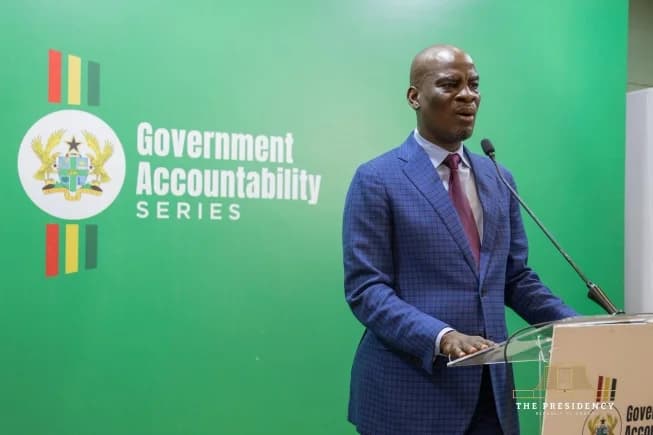
Ghana’s Minister for Education, Haruna Iddrisu, has announced a significant transformation of the country's foundational education system with the introduction of a revised curriculum for Kindergarten through Junior High School. This updated framework, scheduled for presentation to the Ministry of Education and President John Dramani Mahama in late July 2026, integrates modern technological subjects such as coding, artificial intelligence (AI), and electronics. The initiative represents a strategic shift in national policy, prioritizing foundational learning and STEM (Science, Technology, Engineering, and Mathematics) education to equip the next generation with the critical thinking skills necessary for a rapidly evolving digital economy. Beyond the digital focus, the new curriculum incorporates Technical and Vocational Education and Training (TVET) and a dedicated focus on ethics and responsibility. Developed by the National Curriculum Review Agency (NACA), the revisions address historical imbalances where investments often favored secondary education at the expense of primary foundations. Minister Iddrisu emphasized that these changes are designed to foster practical skills from an early age. Complementing these academic updates, the government has also moved to improve school attendance and equity by distributing 12.2 million sanitary pads to approximately 2.5 million female students across the country. In tandem with these curriculum changes, the Ministry has launched a sample National Standardised Test involving approximately 16,000 learners from across Ghana. This assessment includes 2,500 Kindergarten pupils and 4,500 students each from Primary Two, Four, and Six. By monitoring centers like St. Peter’s RC Basic School and Osu Salem 1 KG, the Ministry is transitioning toward a cohort-based learning assessment model. This approach allows educators to track the same group of students throughout their academic journey, providing high-quality, reliable data to identify specific learning gaps and refine teaching strategies. As the revised curriculum moves toward final approval by the President and Parliament, the government faces the critical tasks of establishing a clear rollout timeline and implementing comprehensive training programs for teachers. The successful integration of AI and coding into basic schools hinges on the readiness of the workforce to deliver these technical subjects effectively. Ultimately, these reforms aim to create a more robust educational sector that produces graduates who are not only literate but also prepared to lead in a technology-driven global landscape.
This story touches markets covered on Anansi Intelligence ↗.
More from education
Continue exploring similar stories


