••
Education Minister Haruna Iddrisu Announces $331 Million Infrastructure Plan to End SHS Double-Track by 2029
•2 min read•9 sources
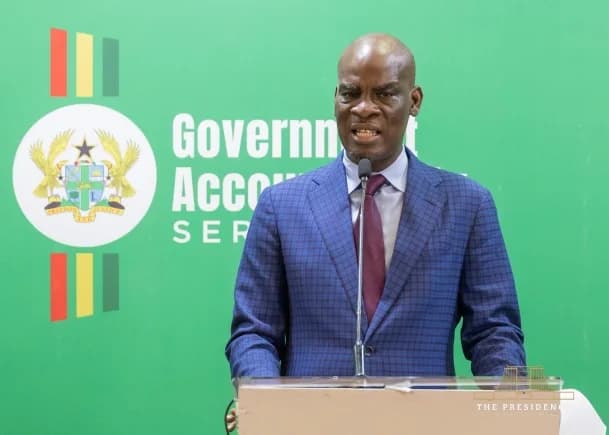
The Government of Ghana has secured a significant financial boost for the education sector following parliamentary approval of a $300 million loan from the World Bank’s International Development Association (IDA). This funding is part of a broader $331 million Secondary Education Transformation for Access, Relevance, and Results for Jobs (STARR-J) initiative. Minister for Education Haruna Iddrisu announced that the program is strategically designed to eliminate the double-track system in Senior High Schools (SHS) by a new target date of 2029. The initiative aims to address the infrastructure deficit caused by the surge in enrollment under the Free SHS policy, which currently sees over 1.5 million students in the system.
A substantial portion of the project—approximately $257.7 million or 86% of the total budget—is dedicated to infrastructure development. This includes the construction of 10 new community day senior high schools in underserved areas and the rehabilitation of 150 existing institutions. Notable projects include new facilities in Nima, which will specialize in science education, and Kasoa, to accommodate rapid population growth. The program also focuses on upgrading school quality, elevating institutions from Grade C to Grade B and from Grade B to Grade A, while providing classroom blocks and upgrades for 38 Technical and Vocational Education and Training (TVET) schools.
Beyond physical structures, the STARR-J program incorporates comprehensive support for students and staff. Approximately $33.8 million is allocated for teacher development and curriculum reforms to align secondary education with modern labor market needs. Additional government commitments include the construction of 50,000 housing units for teachers, the distribution of 12.2 million sanitary pads to female students, and the establishment of a dedicated TVET Fund. These measures are intended to create a more conducive learning environment and improve the overall relevance of the educational curriculum.
While the project received strong backing from Majority Leader Mahama Ayariga, who described it as a crucial pillar of ongoing reforms, the Minority Caucus raised concerns regarding the sustainability of the loan and its direct link to the Free SHS policy. Education Minister Iddrisu has assured the public that the government will adhere strictly to value-for-money principles during implementation. By targeting the rehabilitation of 210 educational institutions in total, the government aims to create a unified and efficient school calendar, eventually phasing out the double-track system to ensure all students receive consistent and high-quality instruction.
This story touches markets covered on Anansi Intelligence ↗.
More from education
Continue exploring similar stories


