••
Education Minister Haruna Iddrisu Announces 16,000 New Teacher Recruits and 50,000 Housing Units as Ghana Expands Educational Funding and Infrastructure
•3 min read•15 sources
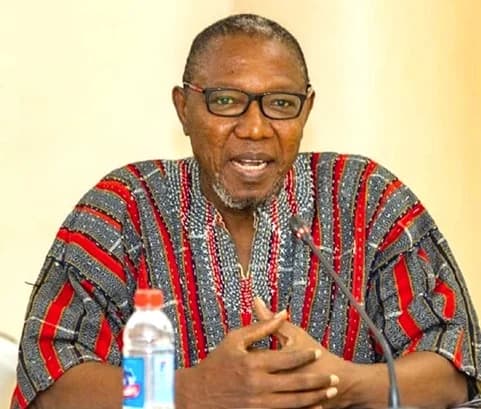
The Ministry of Education has unveiled a comprehensive strategy to bolster Ghana’s teaching workforce and improve educational access through a massive recruitment drive and unprecedented welfare initiatives. Education Minister Haruna Iddrisu announced that the government will recruit 16,000 additional teachers in two phases starting in November 2026, targeting underserved communities and technical institutions to address acute staff shortages. To further motivate educators, the government is launching a project to construct 50,000 housing units nationwide, aimed at providing affordable and decent accommodation for teachers, particularly those stationed in rural areas. These efforts are being complemented by a planned National Dialogue on Discipline to tackle the rising incidents of vandalism and exam malpractice in schools, emphasizing a holistic approach to education that prioritizes both academic knowledge and character development.
In a significant boost for inclusive education, the Ghana Education Trust Fund (GETFund) has allocated GH"100 million to support free education for persons with special needs, removing financial barriers for vulnerable learners. This commitment to equity is mirrored at the local level, where Dr. Clement Abas Apaak, Member of Parliament for Builsa South, has committed GH"331,000 to support 248 financially disadvantaged tertiary students. Infrastructure improvements also remain a priority, as evidenced by the distribution of 760 desks to 26 schools in Nkoranza South by Municipal Chief Executive Godfred Dapaa. However, the urgency for such interventions is highlighted by the dire situation in the Sikpan Electoral Area of Nanumba North, where seasonal flooding and a lack of permanent school facilities continue to disrupt the education of hundreds of children.
On the international and research front, Ghana is strengthening its global educational ties through new scholarships and collaborative grants. Russia has allocated 120 scholarship slots for Ghanaian students for the 2026/27 academic year, while Takoradi Technical University has joined the Russian-African Network University to enhance research partnerships. Additionally, Professor Kofi Adu of Penn State University has received his second Fulbright award to develop virtual physics labs for resource-limited Ghanaian institutions, aiming to bridge the urban-rural STEM education gap. These academic advancements are being matched by specialized reforms in health education, where the Ministry of Health has introduced PhD scholarships for nursing instructors and new specialist programs to harmonize entry standards for advanced health training.
Furthermore, civil society and international organizations are playing a crucial role in protecting and empowering students through targeted interventions. Challenging Heights, a Ghanaian NGO, was recently selected for the FIFA Global Citizen Education Fund to renovate its recovery center for survivors of child trafficking, providing them with a safe learning environment. In the Upper East Region, FactSpace West Africa and UNICEF have equipped journalists with conflict-sensitive reporting skills to ensure ethical coverage of issues affecting peace and education. As these various initiatives converge, the focus remains on building a resilient and equitable educational system that addresses immediate logistical needs while fostering long-term intellectual and social growth across all regions of Ghana.
This story touches markets covered on Anansi Intelligence ↗.
More from education
Continue exploring similar stories


