••
Fatal Magnitude 5.2 Earthquake Strikes Southwest China's Guangxi Region, Thousands Evacuated
•2 min read•1 source
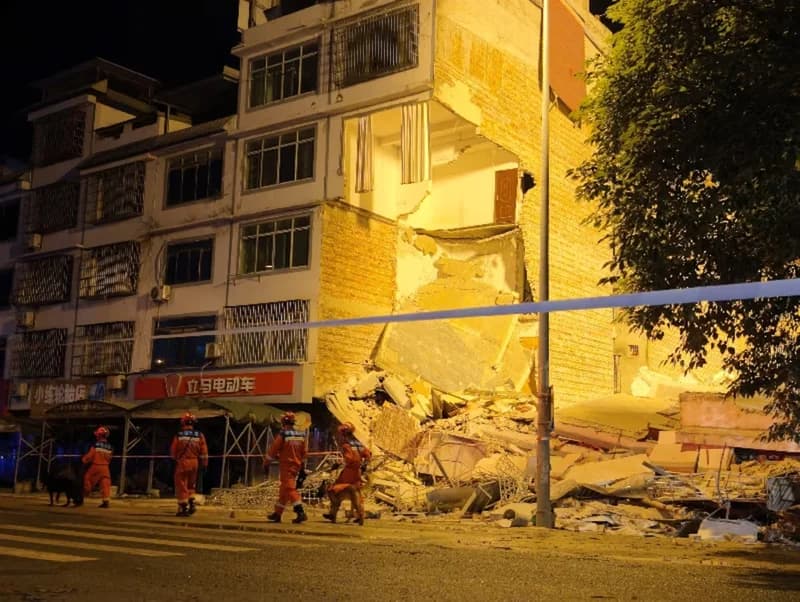
A magnitude 5.2 earthquake struck the southwest region of Guangxi, China, on Monday, resulting in at least two confirmed fatalities and significant structural damage. The seismic event, which centered near the city of Liuzhou, has triggered a massive emergency response as local authorities scramble to manage the aftermath. In the immediate wake of the tremors, over 7,000 residents were forced to evacuate their homes to seek safety in temporary shelters, highlighting the severity of the disaster and the urgency of the humanitarian situation in the affected communities.
The earthquake’s impact was felt acutely across various districts, where several buildings were reported to have collapsed or suffered severe structural integrity issues. Specialized rescue teams have been deployed to the area, working tirelessly to conduct search and rescue operations amid the rubble. Local officials are currently focusing on assessing the full extent of the destruction while ensuring that those displaced have access to basic necessities such as food, water, and medical care. The suddenness of the quake caught many residents off guard, leading to scenes of panic as families fled shaking structures and sought open ground.
Beyond the immediate physical damage to housing, the earthquake has raised significant concerns regarding the region's infrastructure and logistical networks. Authorities have issued formal warnings about potential transport disruptions, as roads and railway lines in the vicinity of Liuzhou may have sustained damage or could be blocked by debris and landslides. These disruptions pose a major challenge for the timely delivery of aid and the movement of emergency personnel into the hardest-hit zones. As the situation evolves, government agencies are continuously monitoring for aftershocks, which often follow seismic events of this magnitude and can cause further damage to already weakened buildings.
This latest natural disaster underscores the vulnerability of certain regions in China to seismic activity and the critical importance of disaster preparedness and rapid response protocols. While the immediate focus remains on life-saving operations and providing for the thousands of evacuees, the long-term recovery will require significant investment in rebuilding and infrastructure reinforcement. For now, the focus remains on the ongoing search efforts, with authorities hoping to prevent any further loss of life as they stabilize the region and begin the difficult process of clearing the wreckage.
