••
GRNMA and Health Directorate Demand Urgent Human Resource Reforms to Safeguard National Health
•3 min read•5 sources
The Ghana Registered Nurses and Midwives Association (GRNMA) and the Upper West Regional Health Directorate have issued separate but complementary calls for systemic reforms in the nation's healthcare sector. During celebrations for International Nurses Day in the Upper East Region, GRNMA Chairman Emmanuel Tibil Panzin warned that a "hungry and unhealthy workforce" cannot effectively protect national health security. His remarks underscored a growing frustration among healthcare practitioners regarding stagnant working conditions, which they argue directly impede the quality of patient care and broader economic development. These concerns were echoed in the Upper West Region, where health authorities are grappling with personnel management challenges that threaten service delivery in underserved areas.
Central to the GRNMA's demands is the immediate implementation of agreed-upon Conditions of Service and the restoration of traditional recruitment methods for graduates. Mr. Panzin highlighted critical systemic failures, such as the persistent "No Bed Syndrome" and inadequate emergency response capabilities, which continue to hinder the effectiveness of health workers. Furthermore, the association cautioned against a hurried transition to higher professional qualifications for nursing and midwifery training, suggesting that such reforms must be balanced with maintaining high clinical standards. The association maintains that strengthening the welfare of nurses and midwives is not merely a social obligation but a strategic necessity for the national economy.
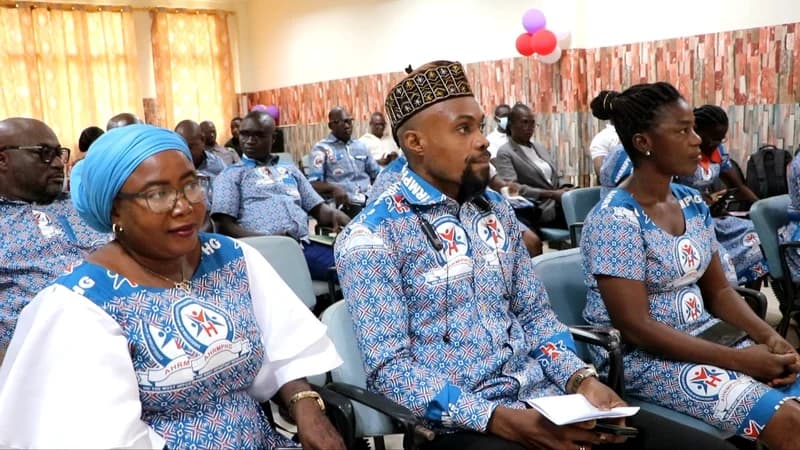
Simultaneously, the Upper West Regional Health Directorate has taken a firm stance against newly promoted human resource officers who refuse postings to rural districts. At the inauguration of the Upper West Divisional Association of Human Resource Management Practitioners in Health (AHRMPHG), Dr. Alex Bapula rebuked officers for rejecting remote assignments, emphasizing that their presence is vital for enhancing healthcare delivery at the grassroots level. National President Irenious K. Angso added that HR professionals must evolve beyond administrative tasks to embrace more strategic roles, including the upcoming Career Guidance and Counseling Policy, while maintaining high levels of integrity in their decision-making processes.
These collective challenges highlight a critical juncture for Ghana's healthcare infrastructure, where both practitioner welfare and management accountability are under scrutiny. The synthesis of these issues suggests that for Ghana to achieve its national health goals, the government must simultaneously address the economic grievances of its frontline workers and the logistical hurdles of rural health staffing. Moving forward, the implementation of more robust welfare packages and a renewed commitment to equitable professional distribution will be essential in building a resilient health system capable of supporting national development.
This story touches markets covered on Anansi Intelligence ↗.
More from health
Continue exploring similar stories


