••
Digital Transformation Drives Revenue Surges for Ghana Revenue Authority and Standards Authority
•2 min read•6 sources
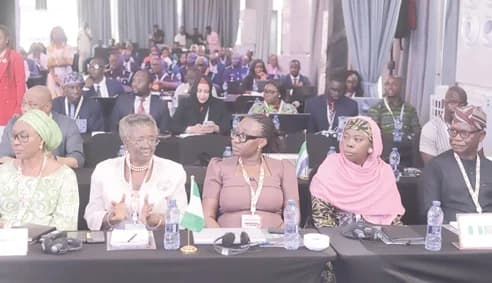
Ghana’s fiscal landscape is witnessing a significant boost as key state institutions report substantial revenue growth driven by digital innovation and administrative reforms. The Ghana Revenue Authority (GRA) has recorded a remarkable $100 million increase in monthly customs revenue since April 2026, following the integration of Artificial Intelligence (AI) into customs valuation and classification systems. Monthly collections have risen from approximately $350 million to over $450 million. This growth, achieved without the introduction of new taxes, was a central theme at the eighth West African Tax Administrators Forum (WATAF) policy dialogue in Accra, where officials highlighted the role of technology in closing regional financing gaps.
Commissioner General of the GRA, Anthony Kwasi Sarpong, emphasized that the future of revenue mobilization lies in modernization. Speaking to West African tax administrators, Sarpong advocated for the aggressive adoption of e-filing, e-payment, and data analytics to enhance compliance and reduce tax evasion. The GRA is currently focused on widening the tax base through a modified taxation scheme targeting the informal sector and the automation of VAT collection. These efforts are aimed at addressing the estimated $100 billion annual financing gap hindering sustainable development across West Africa.
Parallel to the GRA’s success, the Ghana Standards Authority (GSA) reported an 18% revenue increase for the 2025 financial year, generating over GH¢228 million. Director-General Professor George Agyei attributed this performance to disciplined resource management and a significant scale-up in regulatory activities. During the year, the GSA exceeded its targets by verifying 242,764 weights and instruments, calibrating 26,091 industrial tools, and testing 28,375 product samples. This increased activity also led to a five-fold growth in the surplus transferred to the national accumulated fund, strengthening the country’s industrial quality infrastructure.
Despite these financial successes, challenges remain in meeting technical benchmarks. Professor Agyei noted that only 40% of the GSA’s targeted 426 standards were fully developed during the period, prompting a call for greater stakeholder engagement. GSA Chairman Alhaji Hudu Mogtari and other officials stressed that for revenue growth to be meaningful, standards must reflect real-world applications that protect consumers and facilitate trade. Moving forward, both the GRA and GSA intend to deepen their digital integration and stakeholder partnerships to ensure that Ghana’s economic growth remains both sustainable and globally competitive.
Related topic
Ghana Customs Recruitment: Latest News & Updates →