••
GPRTU and GRTCC Implement 8% Public Transport Fare Hike Effective September 26
•2 min read•4 sources
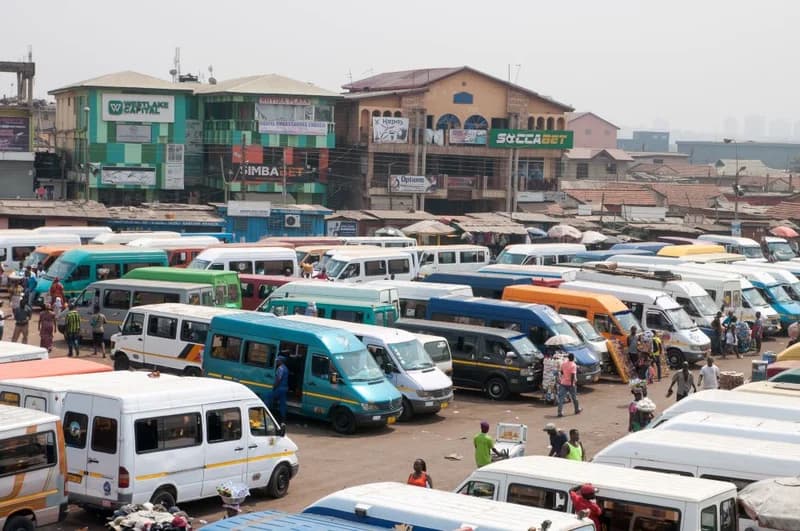
Passengers across Ghana will begin paying higher fares for public transport starting Saturday, September 26, 2026. The Ghana Private Road Transport Union (GPRTU) and the Ghana Road Transport Coordinating Council (GRTCC) officially announced an 8% upward adjustment across all transport modes, including shared taxis, intra-city trotros, and long-distance inter-city buses. This decision follows intensive consultations with the Ministry of Transport and key stakeholders to address the mounting financial pressure on transport operators across the country.
The new fare structure introduces specific increments designed to balance operator sustainability with passenger affordability. For intra-city travel, standard trotro fares previously set at GH¢5 have risen to GH¢5.50. Shared taxi commuters will see short-distance trips of up to 1 kilometer increase from GH¢1.70 to GH¢1.90, while the maximum fare for such services has been capped at GH¢20.20. Long-distance travelers are also impacted, with fares rising proportionally; for instance, a GH¢25 inter-city trip now costs GH¢27, and high-end routes previously priced at GH¢300 have adjusted to GH¢324.
The transport unions cited the rising cost of fuel, spare parts, and general vehicle maintenance as the primary drivers for the adjustment. Despite the increase, the GPRTU and GRTCC noted that the 8% hike was relatively moderated compared to earlier projections. This moderation is attributed to recent government interventions regarding diesel pricing, which helped curb even steeper increments that would have further burdened the commuting public. The adjustment aims to reflect the current economic realities of the transport sector without causing excessive hardship for citizens.
To ensure transparency and prevent overcharging, all transport operators are strictly mandated to display the approved fare schedules prominently at their respective terminals. Both the GPRTU and GRTCC have issued warnings that any operator found charging above the sanctioned rates will face disciplinary action. Commuters are encouraged to remain vigilant and report any fare discrepancies or violations to the leadership of the transport unions at the terminals to maintain order during the transition to the new pricing regime.
