••
GoldBod Allocates GH¢8.4 Million for Water System Restoration Amidst COCOBOD’s Warnings of Cocoa Industry Collapse
•3 min read•16 sources
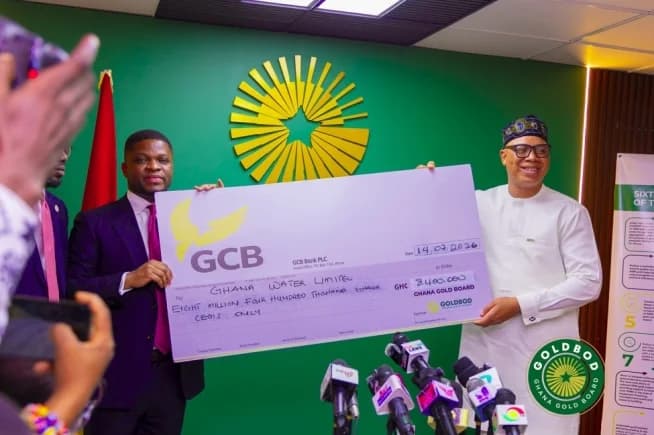
The Ghana Gold Board (GoldBod) has committed GH¢8.4 million to rehabilitate critical water treatment infrastructure, even as the Ghana Cocoa Board (COCOBOD) warns that the nation’s cocoa industry faces an existential threat from the same source of degradation: illegal mining. This dual development highlights the intensifying economic strain caused by illegal mining activities, known as galamsey, which have decimated over 100,000 acres of cocoa plantations and rendered several water supply systems nearly inoperable. The GoldBod investment marks a significant step toward corporate and environmental responsibility, aiming to restore essential services to the Western and Central Regions.
Under a new agreement between GoldBod and Ghana Water Limited (GWL), the GH¢8.4 million investment will fund the first phase of a rehabilitation program targeting the Bonsa, Daboase, and Sekyere Heman Water Supply Systems. These plants have suffered from extreme siltation and high turbidity, which have escalated production costs and reduced water quality significantly over the last several years. GoldBod CEO Sammy Gyamfi emphasized that this initiative aligns with the board’s Environmental, Social, and Governance (ESG) policies, noting that access to clean drinking water is a non-negotiable national priority. GWL’s Managing Director, Adam Mutawakilu, welcomed the intervention, assuring that the funds would be used transparently for dredging, desilting, and stabilizing infrastructure that has been under severe pressure since 2017.
Simultaneously, the cocoa sector—a cornerstone of Ghana’s economy—is reaching a breaking point due to the destruction of fertile land. Samuel Asuman, the Regional Manager of COCOBOD’s Western South Cocoa Health and Extension Division, revealed that galamsey has destroyed more than 100,000 acres of high-yield cocoa farms across major producing regions. This massive loss of land has triggered significant production deficits, crippling COCOBOD’s financial capacity and threatening national foreign exchange earnings. Officials, supported by local leaders and MP Robert Wisdom Cudjoe, have urgently pleaded with farmers to resist selling their land to illegal miners for short-term cash, stressing that cocoa remains a vital, sustainable long-term asset for both families and the national economy.
The convergence of these two crises underscores a pivotal moment for Ghana's business landscape, where the costs of environmental neglect are now directly impacting public utilities and primary export commodities. While the GoldBod-GWL partnership provides a template for remedial action, COCOBOD officials argue that without more aggressive enforcement and urgent government intervention to protect cocoa-growing areas, the sector may face a total collapse. The successful restoration of the identified water systems is viewed as a pilot phase; should these efforts succeed, GoldBod intends to expand the rehabilitation program to include other systems currently struggling with the environmental fallout of mining activities.
This story touches markets covered on Anansi Intelligence ↗.
Live rates
Ghana gold price →More from business
Continue exploring similar stories


